

11th Shanghai International Conference on Orthopaedic Advanced Techniques and Clinical Translational Research
The Shanghai orthopaedic conference 2017 was the 11th Shanghai International Conference on Orthopaedic Advanced Techniques and Clinical Translational Research, held on May 6, 2017, at the Shanghai Everbright International Hotel. This event report covers its expert programme, medical 3D-printing ceremony, parallel sessions and Suzhou Kangli Orthopaedics Instrument Co., Ltd.'s participation.
What did the Shanghai orthopaedic conference 2017 cover?
The conference covered advanced orthopaedic techniques, clinical translational research, medical innovation, digital orthopaedics and 3D printing. Its programme moved from an opening ceremony and expert talks to a signing and awarding ceremony, followed by a main venue and several parallel sessions.
The event was jointly organized by the Medical and Health Division of the Chinese Academy of Engineering, the Ninth People's Hospital Affiliated to Shanghai Jiao Tong University School of Medicine, and the Academic Consultation and Academic Activities Center of the Chinese Academy of Engineering Shanghai Branch. The hosting organizations were the Engineering Research Center for Clinical Transformation of Digital Medicine, Shanghai Key Laboratory of Orthopedic Implants, and Shanghai Ninth People's Hospital Science and Technology Development Co., Ltd.
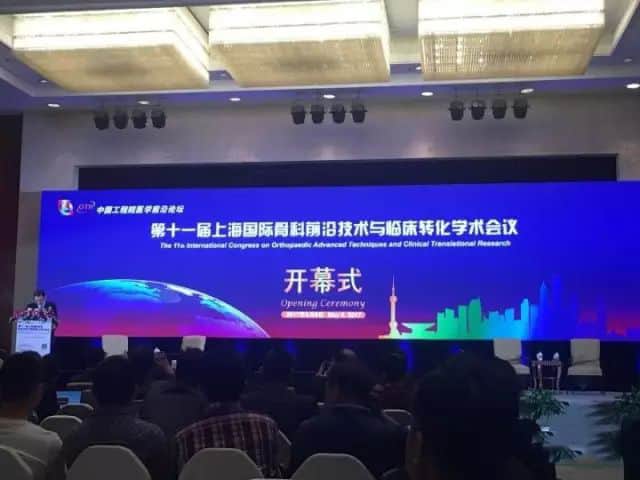
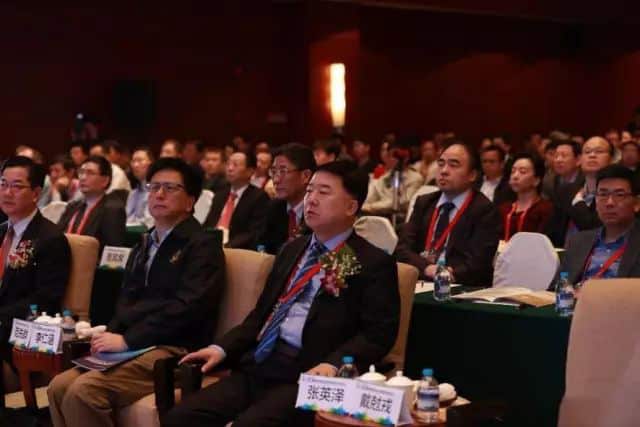
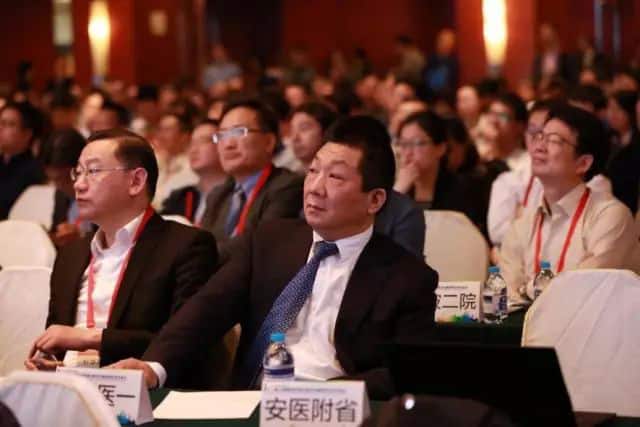
Dozens of domestic and international professors and orthopaedic experts attended. The opening ceremony brought the audience together for the conference's 11th edition.
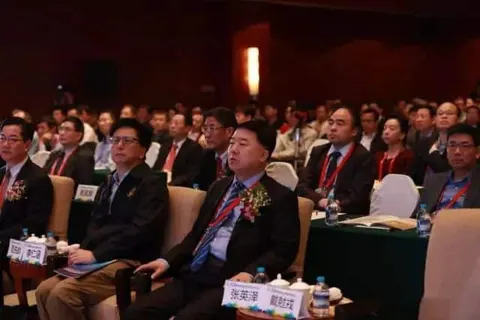
The formal programme included several audience sessions, with attendees seated at conference tables and facing the presentation area.
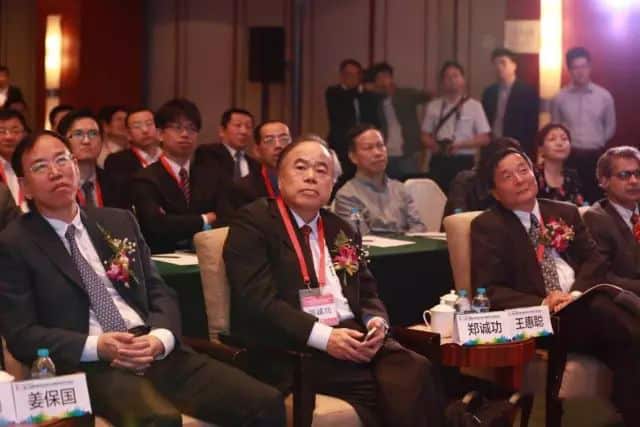
Additional audience views recorded the conference discussions and the participation of physicians and other delegates.
Expert presentations on medical innovation and digital orthopaedics
The opening ceremony used the theme “The Next Boom in Medical Advancement.” Nine top experts from domestic and international backgrounds, together with outstanding young and middle-aged physicians, were invited to share their experiences and professional development.
As keynote speaker, Academician Dai Kerong connected orthopaedic treatment with the concept of bike-sharing and described a large-scale transformation in medical concepts and models. He concluded by quoting the opening lines of Charles Dickens' A Tale of Two Cities: “It was the best of times, it was the worst of times.”
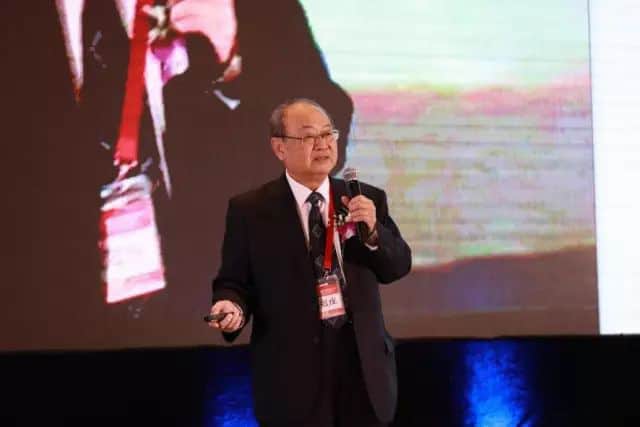
The programme also included Professor Wang Yan from overseas, Professor Tian Wei represented by the director of the same institution, Professor Zhang Yingze, Professor Zhang Kan, Professor Jiang Baoguo, Professor Jamal Taha from the United States, Mr. Dongren, and Professor Zheng Chenggong from Taiwan. Their presentations addressed medical innovation, big data and artificial intelligence in healthcare.
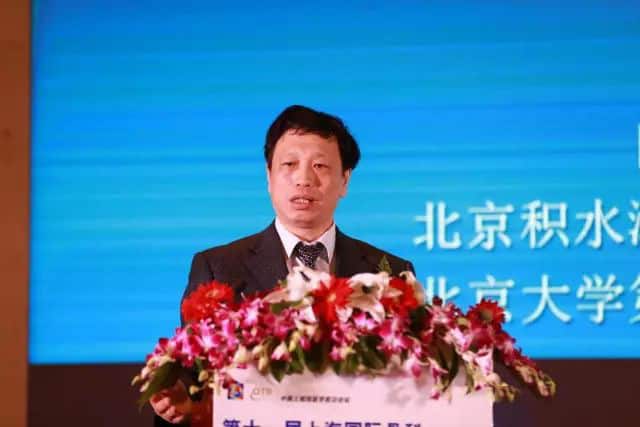
The photographed programme continued with further stage presentations from the invited speakers.
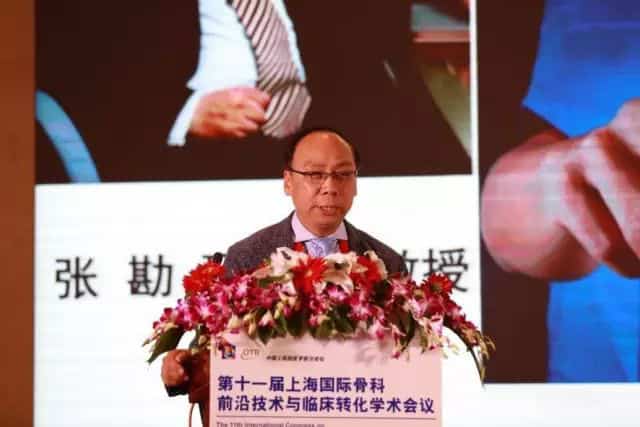
Additional talks addressed the conference's wider discussion of new technologies and medical innovation.
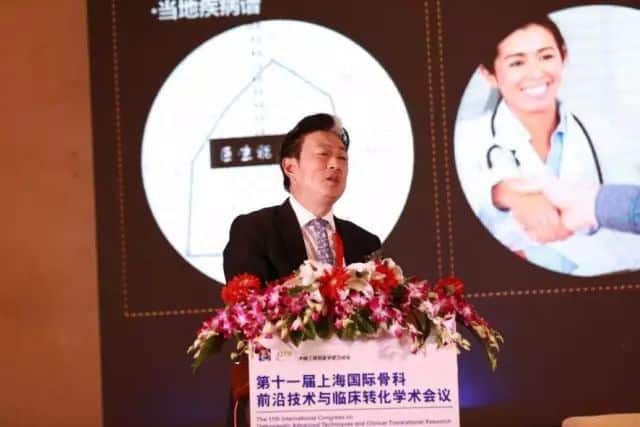
The presentation sequence included speakers addressing the audience from the main stage and using projected material.
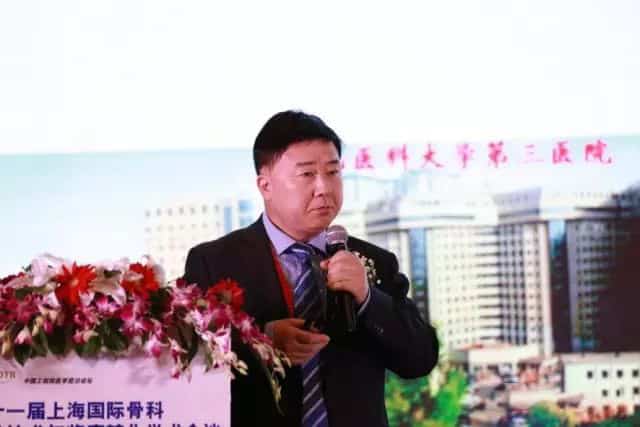
Further expert contributions formed part of the conference's professional exchange programme.
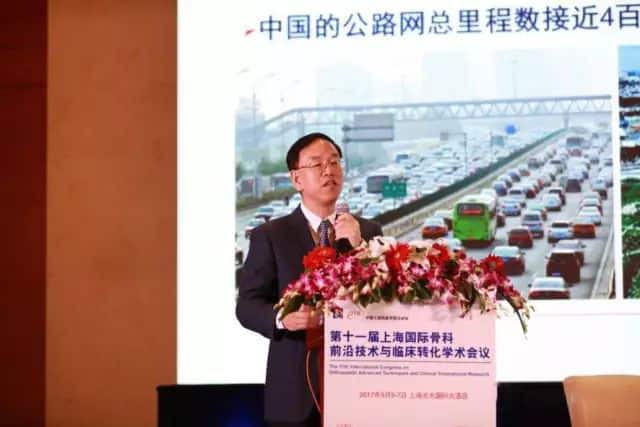
The event record also includes presentations delivered from the conference lectern during the expert sessions.
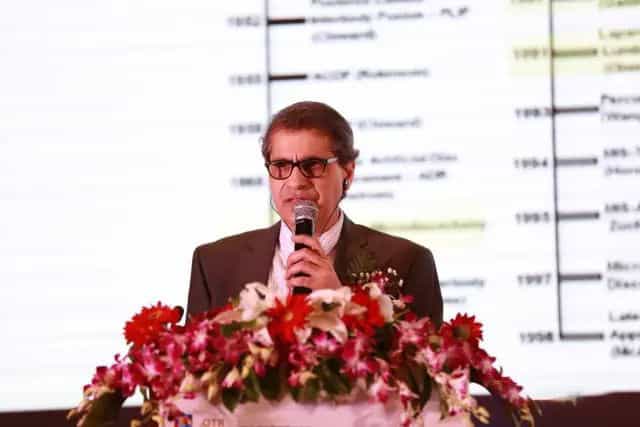
Another presentation focused on the conference discussion of innovation in healthcare and orthopaedics.
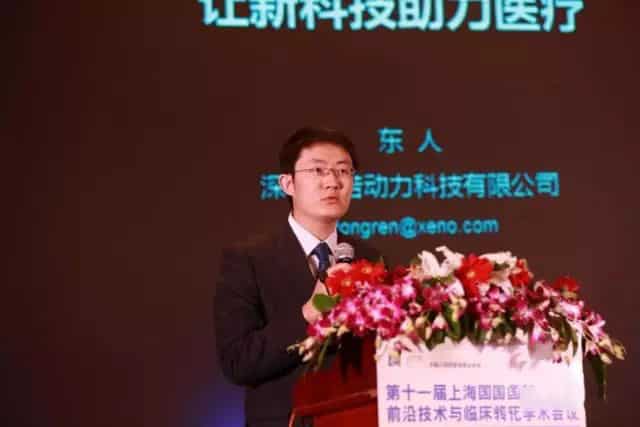
The photographed talks continued with speakers presenting to the assembled delegates.
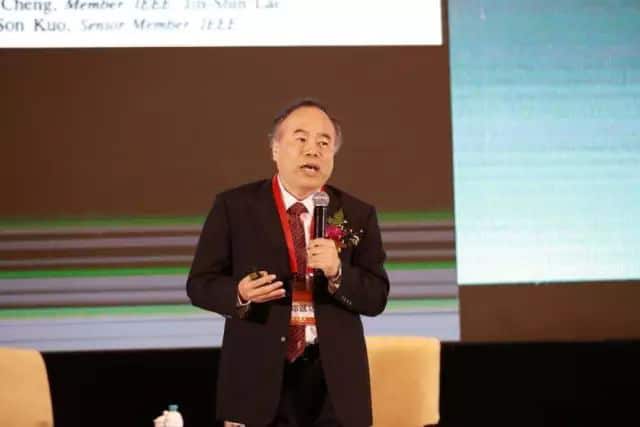
Medical 3D-printing innovation centre ceremony
The conference's main ceremony was the signing and awarding ceremony for branch centres of the Shanghai Jiao Tong University Medical 3D Printing Innovation Research Center.
Under the leadership of Academician Dai Kerong, the research centre had been established for over 30 years. Its work included 3D-printed personalised medical auxiliary models, surgical positioning guides, implants, rehabilitation devices and other areas, with a series of innovative outcomes supported by independent intellectual property rights.
To promote and standardize the clinical application of medical 3D printing nationwide, the centre had formed collaborative relationships with nearly 20 renowned medical institutions in China. The centre also planned four domestic and international bases: the 3D Printing Technology Medical Engineering Cross-Research and Development Base, the 3D Printing Technology Medical Application Demonstration Base, the Medical 3D Printing Technology Achievement Transformation Base, and the Medical 3D Printing Academic Exchange and Talent Development Base.
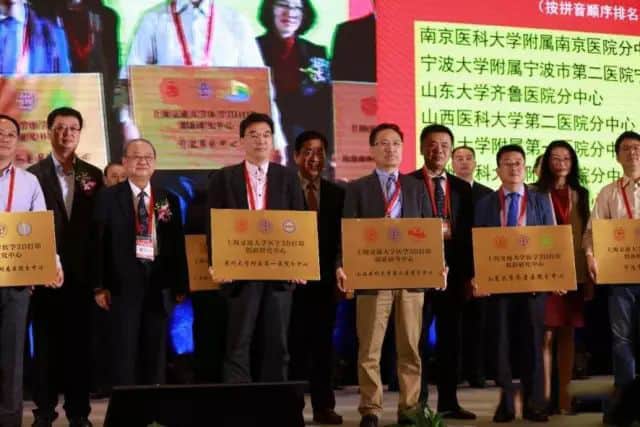
The signing and awarding ceremony brought representatives onto the stage with presentation boards.
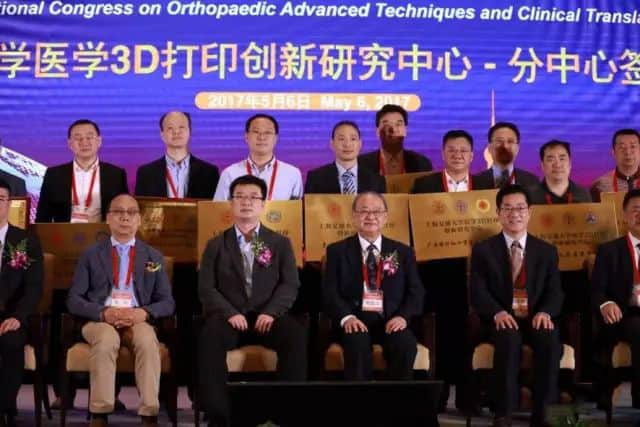
The 16 hospitals and centres named in the event report were:
- Affiliated Provincial Hospital of Anhui Medical University (Center)
- The First Affiliated Hospital of Bengbu Medical College (Center)
- The First Affiliated Hospital of Fujian Medical University (Center)
- Guigang People's Hospital, Affiliated to Guangxi Medical University (Center)
- Wuzhou Red Cross Hospital, Guangxi (Center)
- Union Hospital, Tongji Medical College, Huazhong University of Science and Technology (Center)
- Jiangxi Provincial People's Hospital (Center)
- Ganzhou Hospital, Affiliated to Nanchang University (Center)
- Nanjing Hospital, Affiliated to Nanjing Medical University (Center)
- Ningbo Second Hospital, Affiliated to Ningbo University (Center)
- Qilu Hospital, Shandong University (Center)
- The Second Hospital of Shanxi Medical University (Center)
- The First Affiliated Hospital of Soochow University (Center)
- Affiliated Hospital of Xuzhou Medical University (Center)
- Jinhua Guangfu Hospital, Zhejiang (Center)
- The First Hospital, China Medical University (Center)
Main venue, parallel sessions and conference display
From the afternoon of May 6, the conference used a main venue and several parallel sessions. Discussion topics included hip and knee joints, trauma, spine, bone and soft tissue tumors, basic orthopaedic research, digital orthopaedics and innovative technologies.
Experts from industry, government, academia and research institutions also discussed implementation strategies and existing issues related to the clinical application of new orthopaedic achievements.
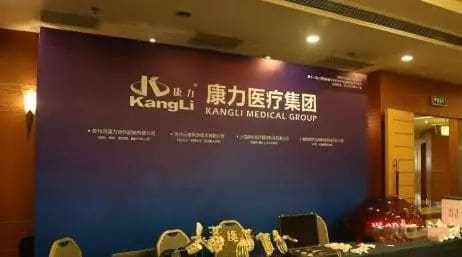
The event included an indoor display area with arranged seating, printed materials and display pieces.
Kangli Orthopaedics as an implant and instrument manufacturing partner
Suzhou Kangli Orthopaedics Instrument Co., Ltd., abbreviated as Kangli Orthopaedics, also participated in the conference. Founded in 2002, the company manufactures orthopaedic implants and surgical instruments and offers OEM, ODM and OBM services for distributors, hospital suppliers and brands.
Kangli Orthopaedics has around 200 employees, a campus of about 50 acres and roughly 40,000 square metres of floor area. Its registered capital is about 102 million CNY.
Orthopaedic product families for OEM and ODM programmes
The company's product families include:
- Spine fixation: anterior and posterior cervical systems, anterior and posterior thoracolumbar systems, and intervertebral fusion cages
- Trauma: locking plates, intramedullary nails, cannulated screws, bone plates and titanium cables
- Craniomaxillofacial fixation: CMF fixation systems and customised digital 3D titanium nets
- Foot and ankle: calcaneus, tibia, micro locking and variable-angle locking plates, pins and screws
- Thoracic systems: sternum and rib systems
- Screws and accessories
CNC machining, heat treatment and personalised production
Manufacturing resources include CNC machining with DMG 5-axis centres, Citizen Cincom Swiss-type automatic lathes, a DMG CTX beta 1250 TC turn-mill centre and Haas machining centres. An on-site vacuum heat-treatment furnace is used for stress relief and annealing.
Kangli Orthopaedics' R&D work includes collaboration with universities, 3D printing and personalised implants. The company also produces 3D-printed bone models from patient imaging and customised titanium nets from CT, MRI and DSA data.
The company holds ISO 13485, FDA, CE and GMP quality systems. It supplies about 25 provincial regions of China directly and supplies 35 countries directly. Through onward resale, its products reach more than 40 countries.
For a distributor, hospital supplier or brand seeking an orthopaedic implant and instrument manufacturing partner, request a quote to discuss an OEM, ODM or OBM programme with Kangli Orthopaedics.