Skip to content
Engineering & Contract Manufacturing

Engineering & contract manufacturing

Send us finished drawings, a clinical concept, or imaging from a single case — and get back a validated, sterile, fully traceable device. Design sits in the same building as the machines: OEM to build to your drawing, ODM to develop it with our engineers, OBM to license and private-label a system we already make.

Medical-device companies, distributors, and surgeon-inventors come to Kangli for orthopaedic contract manufacturing — turning a new idea, or an existing product line, into a device that ships. Whether you arrive with finished drawings, a rough clinical concept, or a market to enter, the work runs through a single quality system and a single point of contact.

We keep engineering, R&D, machining, and quality under one roof, so custom implant development runs from specification to validated, lot-traceable production without handoffs between vendors. Your brand goes on the box; the accountability stays with us.


Engagement Models

OEM, ODM & OBM

Three levels of design ownership — build to print, co-development, or private label.

  • OEM01

    Build to your design

    You bring the drawings, specifications, and acceptance criteria; we manufacture to them under our quality system and you market the device under your own brand.

    Best when
    You own a validated design and need a capable, certified manufacturer.

  • ODM02

    Design and build with you

    No finished design yet? Our engineering team co-develops a custom implant from clinical concept through prototyping and validation. You own and brand the result.

    Best when
    You have a clinical idea or gap, and want it engineered into a product.

  • OBM03

    License proven systems

    Private-label one of Kangli's established implant platforms for your market under agreed branding — shortening development time by starting from a mature, manufactured system.

    Best when
    You need speed to market with a ready, field-proven product line.

Research & Development

The D in ODM

The same design team, equipment, and records your co-developed project would run on.

Co-development is only worth buying if the engineering behind it is real. Kangli's design team works alongside university research partners, prints in medical alloy, rebuilds patient anatomy from hospital imaging — and inspects what it makes without cutting the part open.

01

University collaboration

Joint research with university partners keeps the design team close to the clinical questions and materials work a factory would not reach on its own.

02

Metal additive manufacturing

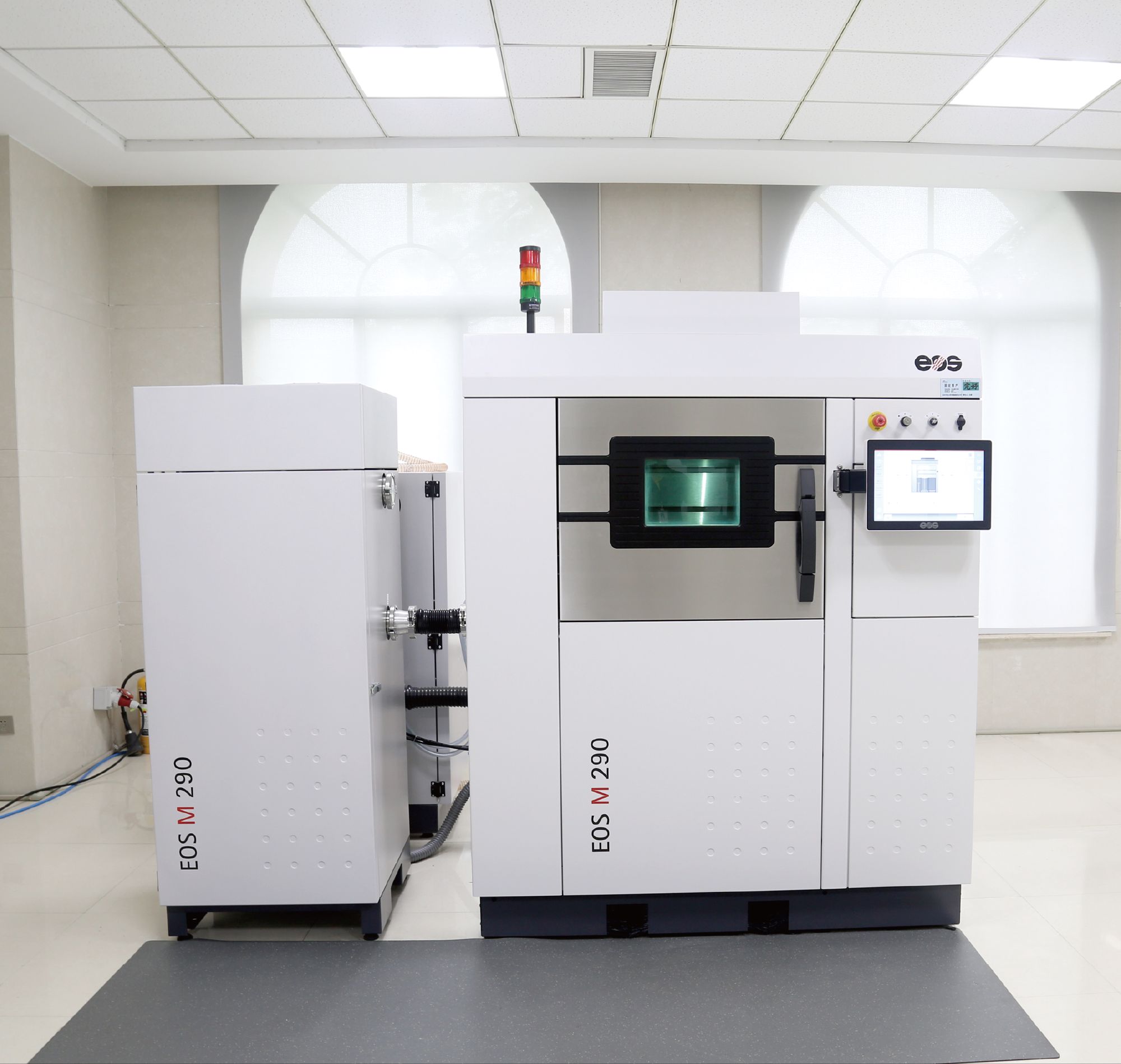
An EOS M 290 direct metal laser sintering system builds parts in medical alloy — functional prototypes, porous structures, and one-off geometries machining cannot reach.

03

Patient-specific implants

Custom titanium nets and CMF plates reconstructed from a patient's CT, MRI, or DSA data, with a printed bone model for planning. Quoted and run case by case.

04

Verification & metrology

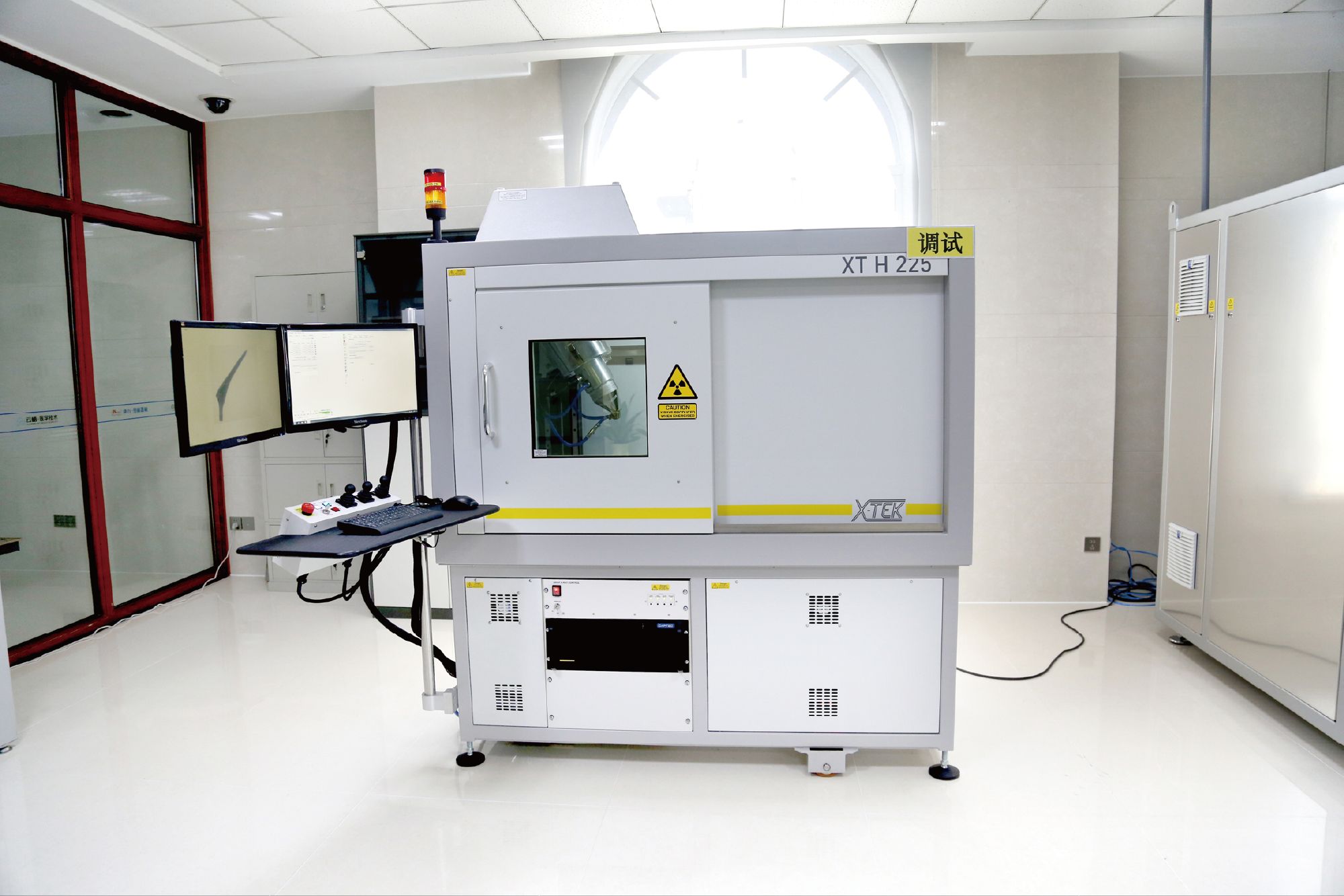
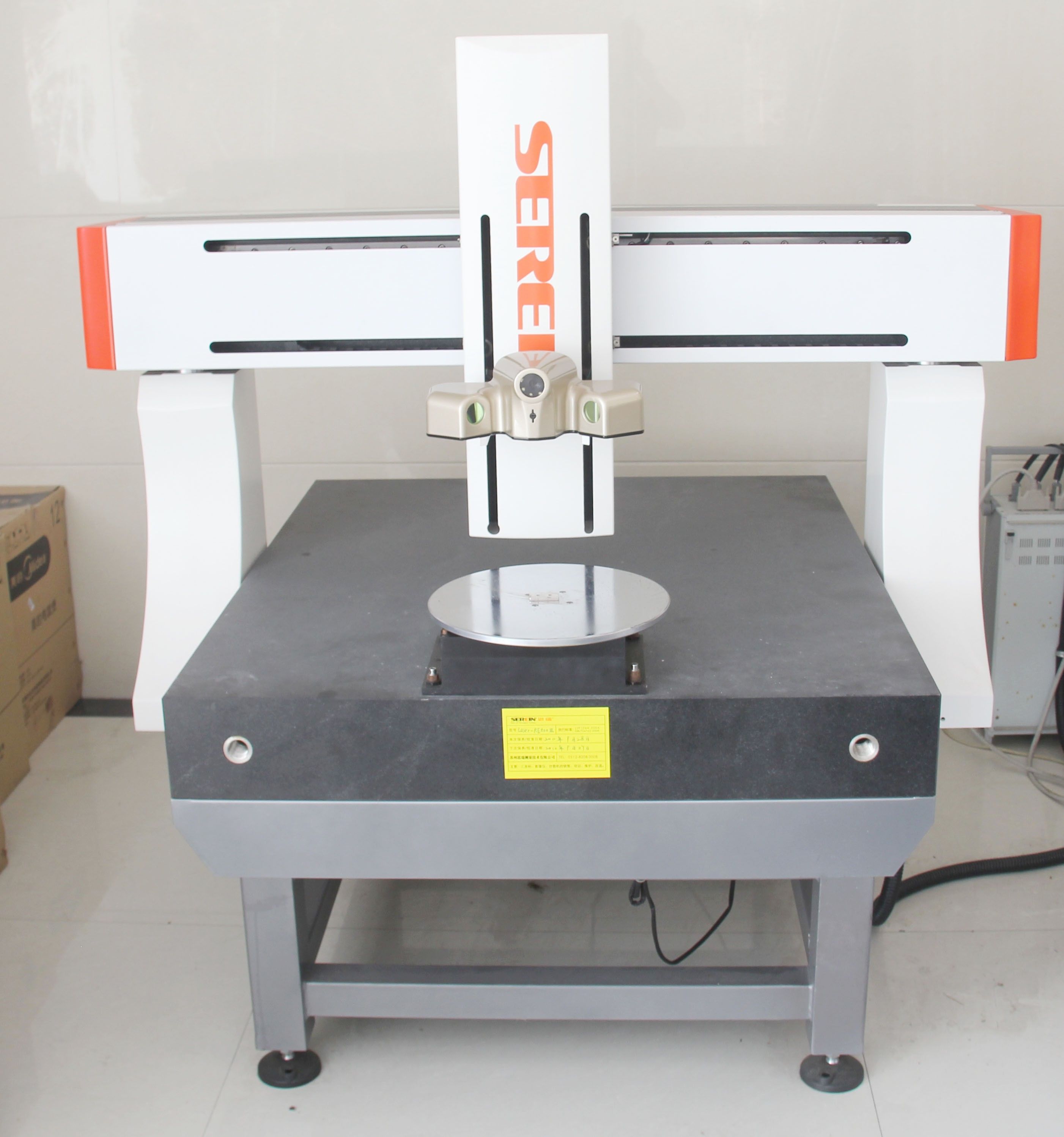
Industrial CT looks inside a finished part without destroying it; coordinate measuring confirms the geometry against the drawing. Both feed the design record.

Development equipment
  • EOS M 290 metal 3D printing system with its powder-handling station in a clean, daylit room at Kangli
    Additive manufacturing

    EOS M 290

    Direct metal laser sintering builds implant geometries layer by layer in medical alloy — the route to lattice structures and patient-specific forms, and to a physical prototype without tooling.

    DMLS · metal powder bed
  • X-Tek XT H 225 industrial CT scanner with twin operator monitors showing a scanned implant cross-section
    Non-destructive inspection

    X-Tek XT H 225 industrial CT

    X-ray computed tomography images the inside of a finished implant — porosity, inclusions, internal geometry — leaving the part intact and available for the file.

    Micro-focus X-ray CT
  • Serein bridge-type coordinate measuring machine on a granite bed in Kangli's metrology room
    Dimensional metrology

    Serein coordinate measuring machine

    A granite-bed CMM probes machined and printed parts against the model, turning drawing tolerances into recorded, repeatable measurement.

    Bridge-type CMM
Case workflow

From imaging data to a patient-specific implant

Case-by-case work, not a catalogue item: scope, surgical team, and the regulatory route for the market are agreed before a case starts.

  1. AImaging data

    The hospital supplies the case imaging — CT, MRI, or DSA — with the clinical requirement.

  2. B3D reconstruction

    The anatomy is rebuilt as a working three-dimensional model of the defect site.

  3. CSurgeon review

    Geometry, fit, and fixation strategy are agreed with the surgical team before anything is made.

  4. DPrinted bone model

    A 3D-printed bone model makes the plan physical, for rehearsal and for checking fit.

  5. ECustom titanium net

    The titanium net or plate is produced to that anatomy and delivered for the procedure.

Why Kangli

What a partner inherits

Every engagement stands on the same infrastructure that produces our own catalogue — the same quality system, the same engineers, the same records, pointed at your project instead of ours.

01

A certified quality system

Your product is designed, made, and released under the same audited ISO 13485 framework, with CE and FDA references already in place.

Quality & certifications 
02

In-house precision machining

Machining stays in this building, which is what keeps tolerances, lead times, and confidentiality under our own control rather than a vendor chain's. No outsourced critical steps.

Manufacturing 
03

Engineering & R&D

In-house design and development — university collaboration, metal additive manufacturing, patient-specific implants, and CT and CMM verification — available to your ODM project.

Research & development 
04

Documentation for submissions

Material certificates, process-validation records, and full lot traceability available on request to support your own regulatory filings.

05

IP protection & confidentiality

Projects begin under NDA. Your designs, tooling, and brand stay yours and are ring-fenced to your programme.

06

A global supply footprint

An established network across ~25 provincial regions of China and export experience into markets on four continents.

How It Works

From first enquiry to first shipment

A typical OEM/ODM engagement moves through six stages.

  1. 01

    Enquiry & NDA

    We align on scope and sign a mutual non-disclosure agreement before any design detail is exchanged.

  2. 02

    Design inputs & specification review

    We review your drawings — or, under ODM, develop the design from agreed inputs — and settle materials, tolerances, and acceptance criteria.

  3. 03

    Prototyping, samples & verification

    Machined or 3D-printed prototypes are produced, measured against the specification, and put in front of you for design sign-off.

  4. 04

    Validation & design history

    Manufacturing, cleaning, and sterilization processes are validated, and the design and validation record is compiled into a design history file.

  5. 05

    Pilot & first-article inspection

    A pilot lot is run and inspected against control points before full release, with records retained for traceability.

  6. 06

    Scale-up & delivery

    Volume production ramps to your forecast, packaged and shipped to your market with lot traceability intact.

What You Can Build

Device fields open to OEM and ODM

An OEM or ODM programme can span any of these fields and the matching surgical instruments. Browse the current catalogue for the platforms available to build on, brand, or private-label.

FAQ

Frequently asked questions

Answers on our partnership models, design ownership, and regulatory support.

What is the difference between OEM, ODM and OBM at Kangli?

OEM means we manufacture to your finished design and specification, and you market the device under your own brand. ODM means our engineering team co-develops the design with you — from clinical concept to a validated product — which you then own and brand. OBM means you license one of Kangli's already-developed implant systems and bring it to your market under agreed branding.

Can you manufacture to our existing drawings and specifications?

Yes. Build to print is the standard OEM engagement: we work directly from your 2D/3D drawings, material specifications, and acceptance criteria, manufacturing under our ISO 13485 quality system with in-house CNC machining and full lot traceability.

We don't have a finished design yet — can you develop an implant design with us?

Yes. Under an ODM engagement our in-house R&D team takes a project from clinical concept through design inputs, prototyping, verification, and process validation — drawing on university research collaboration, metal additive manufacturing, and patient-specific implant experience where a case calls for it.

Will our designs and intellectual property stay confidential?

Yes. OEM and ODM projects begin under a mutual non-disclosure agreement. Your drawings, specifications, and brand remain your property, and the tooling and documentation created for your project are ring-fenced to it.

What regulatory documentation do you provide for our submissions?

Partners can request material certificates, process-validation records, and full lot traceability to support their regulatory submissions. Devices are produced under an EN ISO 13485:2016 quality system, with existing CE and FDA 510(k) references; our CE MDR application is actively in progress. See the Quality & Certifications page for detail.

Who owns a design we develop together?

You do. Under an ODM engagement the device design, its documentation, and the brand are yours on the terms agreed at the outset. Kangli keeps its own pre-existing platforms and general process know-how; tooling created for your programme is ring-fenced to it.

How quickly can you produce prototypes or 3D-printed samples?

Turnaround depends on geometry, alloy, and whether the part is machined or printed, so a schedule is quoted with the design review rather than offered as a standard lead time. Metal additive manufacturing lets us put a physical part in your hands straight from the model, without waiting on tooling.

How do we start a patient-specific or custom titanium implant case?

Send the case imaging — CT, MRI, or DSA — with the clinical requirement. We reconstruct the anatomy, agree the geometry with the surgical team, and can print a bone model for planning before the implant itself is produced. This work is handled project by project, with the regulatory route for the market agreed up front.

Which orthopaedic devices can you build under OEM or ODM?

Kangli manufactures across trauma, spine, craniomaxillofacial, foot & ankle, sternum & rib, and pediatric orthopaedics, as well as the matching surgical instruments — spanning locking plates, intramedullary nails, cannulated screws, spinal fixation systems, fusion cages, and custom titanium solutions.