

4th Bone Tumor Limb Reconstruction and 3D Printing Technology Clinical Translational Application Workshop
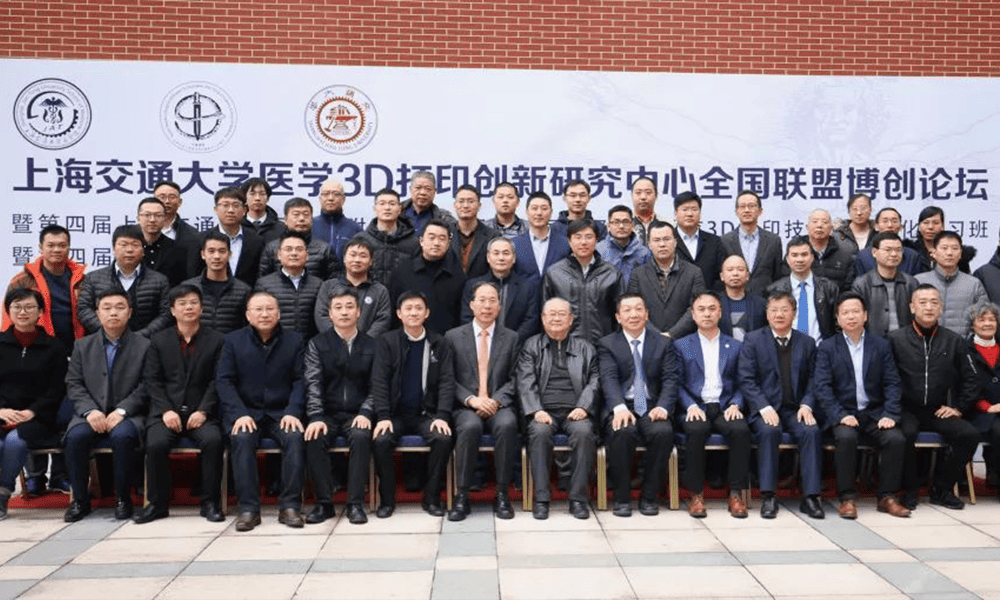
The 4th Bone Tumor Limb Reconstruction and 3D Printing Technology Clinical Translational Application Workshop was a 3D printing technology workshop focused on bone tumor limb reconstruction, personalised medicine, and clinical translation. Suzhou Kangli Orthopaedics Instrument Co., Ltd. participated in the program held on December 8, 2018, at the 3D Printing Innovation Research Center of Shanghai Jiao Tong University School of Medicine.
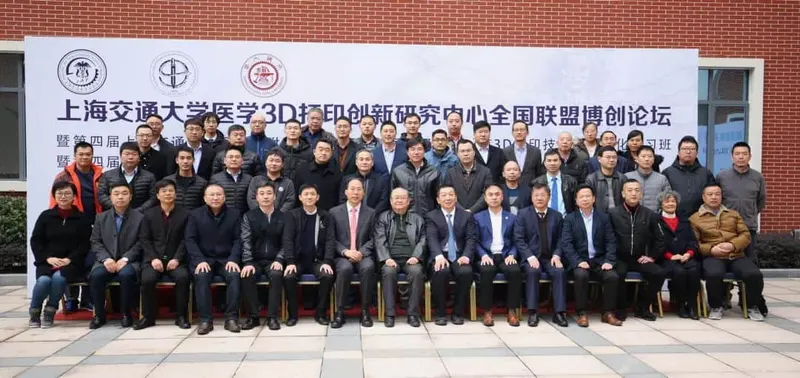
Event program and organisers
The program combined the International Summit Forum on the Application, Transformation, and Personalized Medicine of Cutting-edge Medical Technologies with the 4th Bone Tumor Limb Reconstruction and 3D Printing Technology Clinical Translational Application National Continuing Education Workshop.
The event was organised by the National Alliance of 3D Printing Innovation Research Centers of Shanghai Jiao Tong University School of Medicine, the Clinical Translational Research and Development Center of 3D Printing Technology at the Ninth People’s Hospital, Affiliated with Shanghai Jiao Tong University School of Medicine, the Department of Orthopedics at the Ninth People’s Hospital, Affiliated with Shanghai Jiao Tong University School of Medicine, and the Ministry of Education Engineering Research Center for Clinical Transformation of Digital Medicine. Shanghai Shengshi Medical Instrument Technology Co., Ltd. co-sponsored the program.
What did the 3D printing technology workshop cover?
The program covered medical 3D printing across imaging, biomechanics, materials, personalised device design, and collaborative case studies in orthopaedics, oral medicine, plastic surgery, and tissue engineering. It also addressed personalised medicine, tumor-related applications, imaging, customised implantable devices, and medical-engineering interaction.
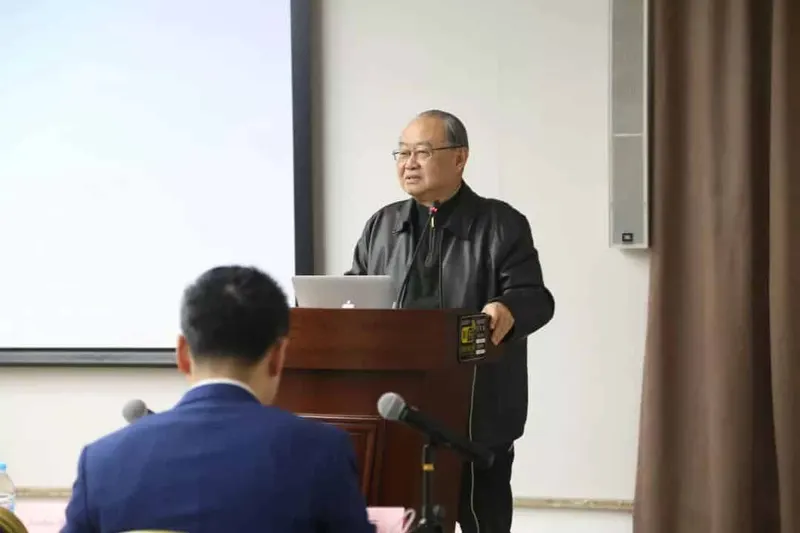
The program began with a speech by Academician Dai Kerong on progress in the clinical use of 3D printing in orthopedic surgery and the development of personalised treatment concepts. Under his leadership, the 3D Printing Innovation Research Center of Shanghai Jiao Tong University School of Medicine established a technical system integrating medical image processing, biomechanical analysis, personalised medical device design, 3D printing fabrication, and clinical application.
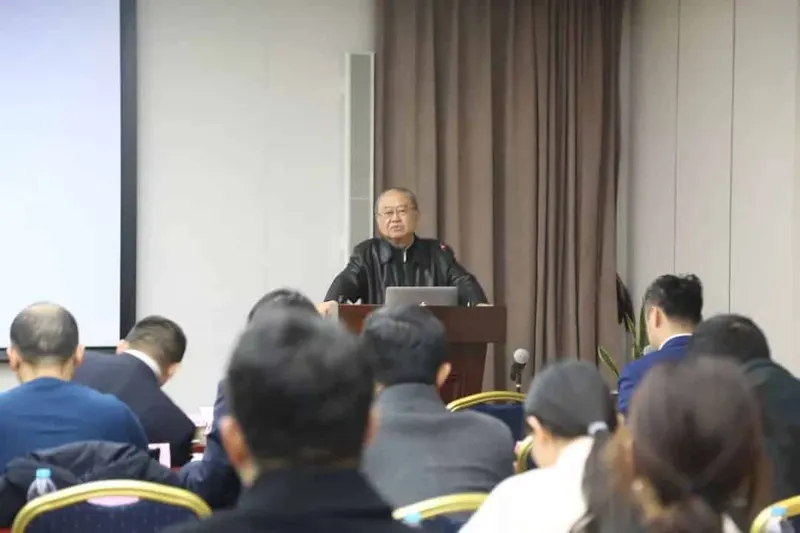
Speaker sessions on medical 3D printing
Professor Hao Yongqiang presented Personalized Medicine and 3D Printing.
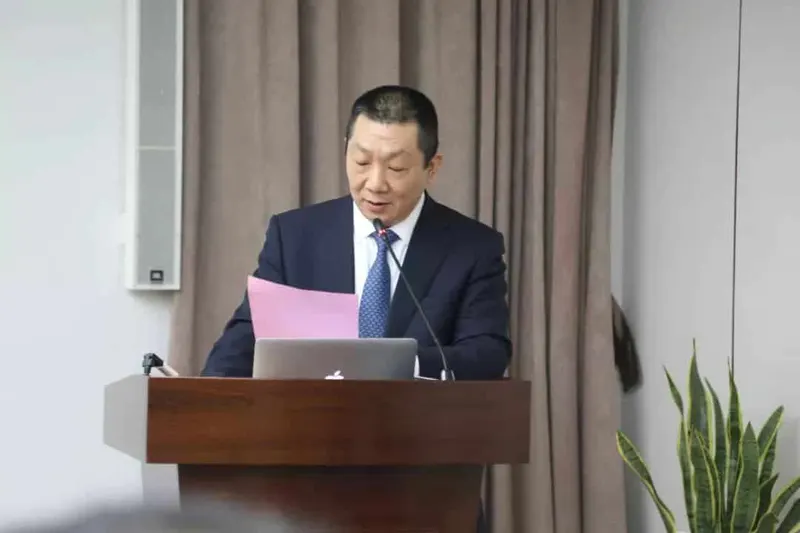
Professor Shao Zengwu presented Application of 3D Printing Technology in the Field of Pelvic Tumors.
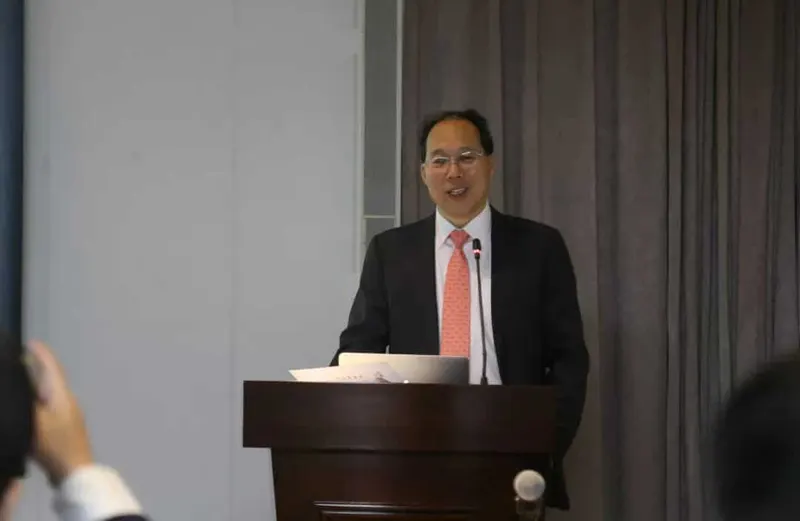
Professor Wang Xudong presented Application and Research Progress of 3D Printing in the Field of Oral and Maxillofacial Surgery.
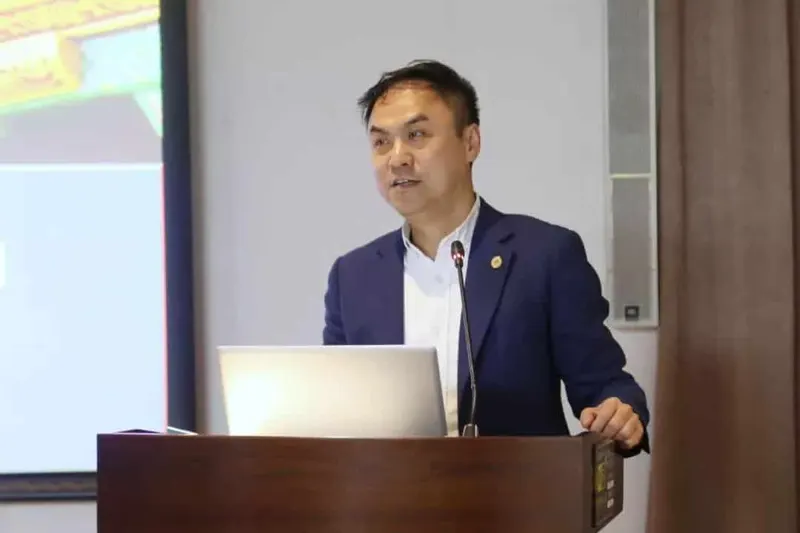
Professor Qu Xingzhou presented Application of 3D Printing in the Field of Oral and Cranio-Maxillofacial Tumors.
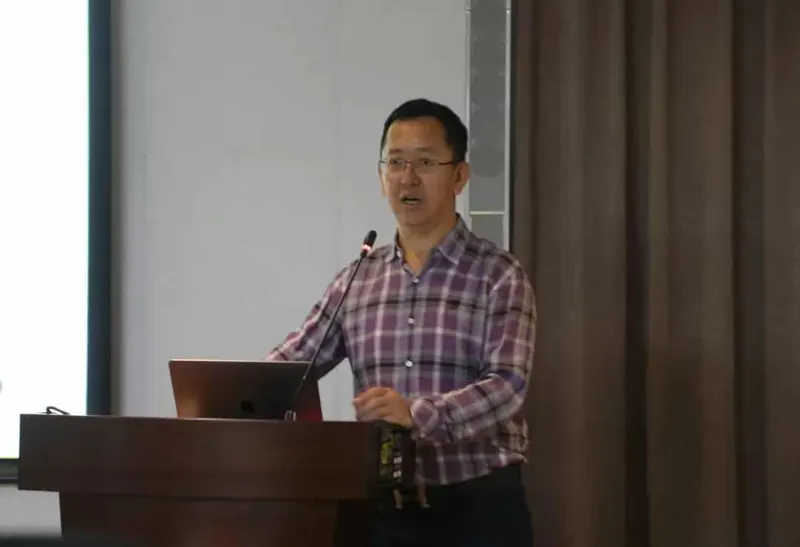
Professor Han Dong presented Advances in the Application of 3D Printing Technology in Plastic Surgery.
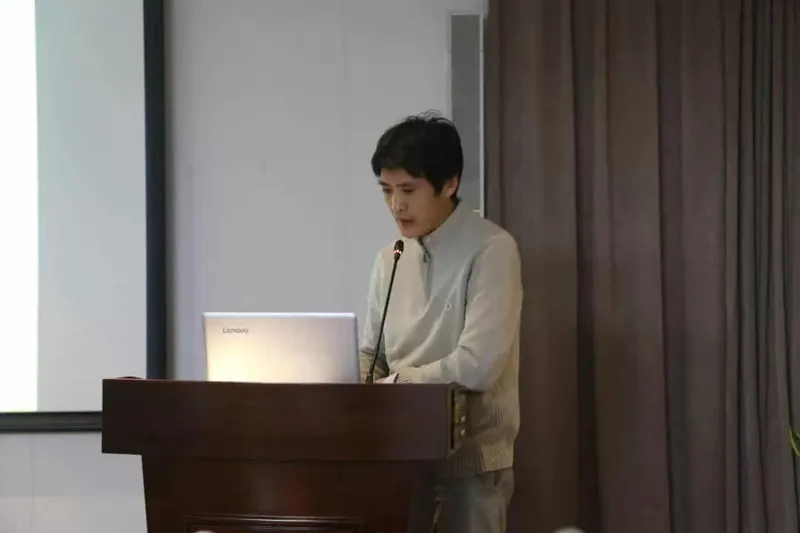
Professor Ai Songtao presented Imaging Issues in Medical Applications of 3D Printing.
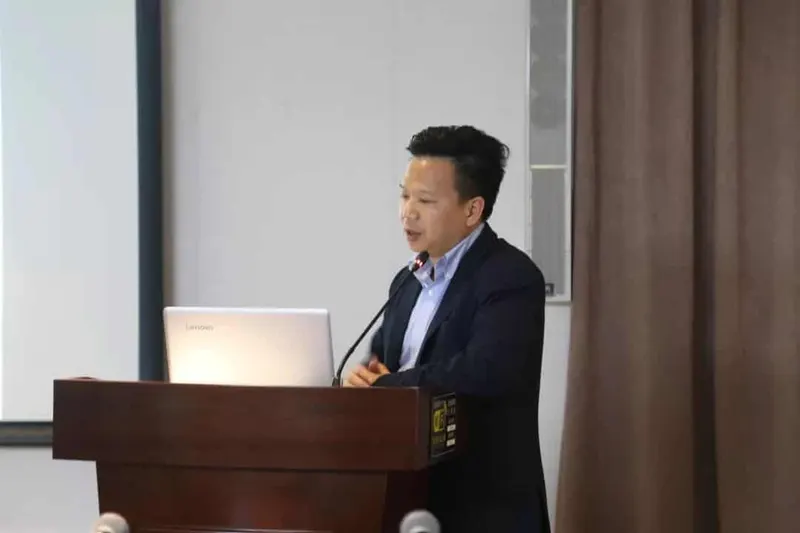
Dr. Cai Zongyuan presented Functional Evaluation of Customized Implantable Devices in 3D Printing.
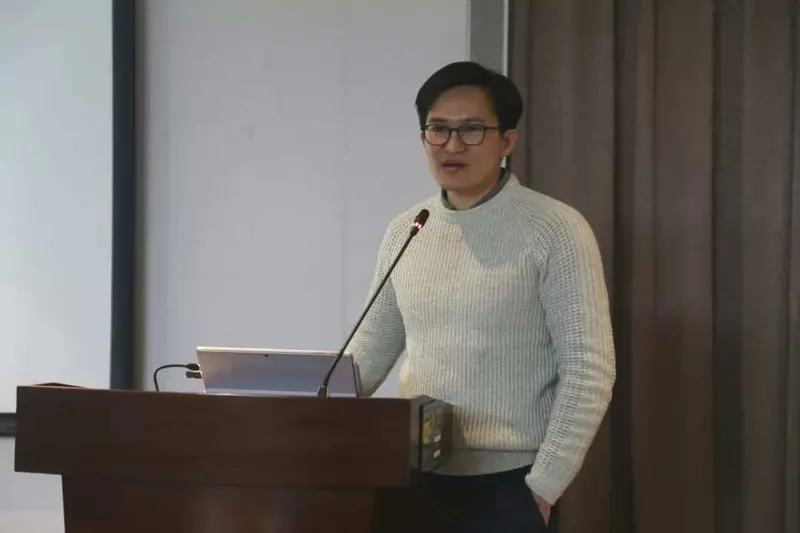
Dr. Jiang Wenbo presented Expert Consensus Discussion on the Medical-Engineering Interaction in 3D Printing Medical Applications.
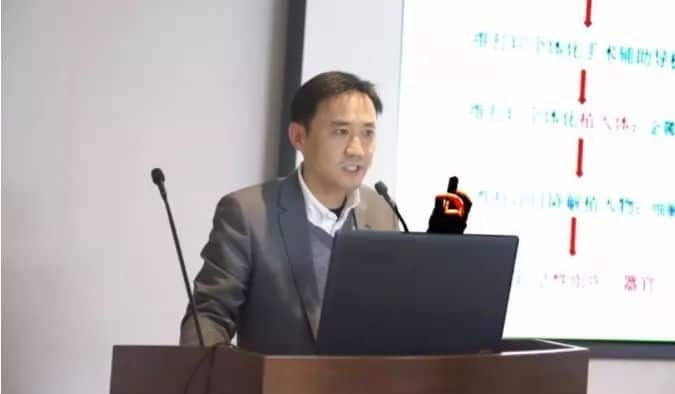
Remote consultation and participant discussion
Alongside the lecture sessions, a live remote consultation connected the event with the 3D Printing Sub-center of the People’s Hospital in Guigang City, Guangxi. Academician Dai Kerong, Professor Hao Yongqiang, and other experts conducted on-site analysis of consultation cases and discussed surgical plans.
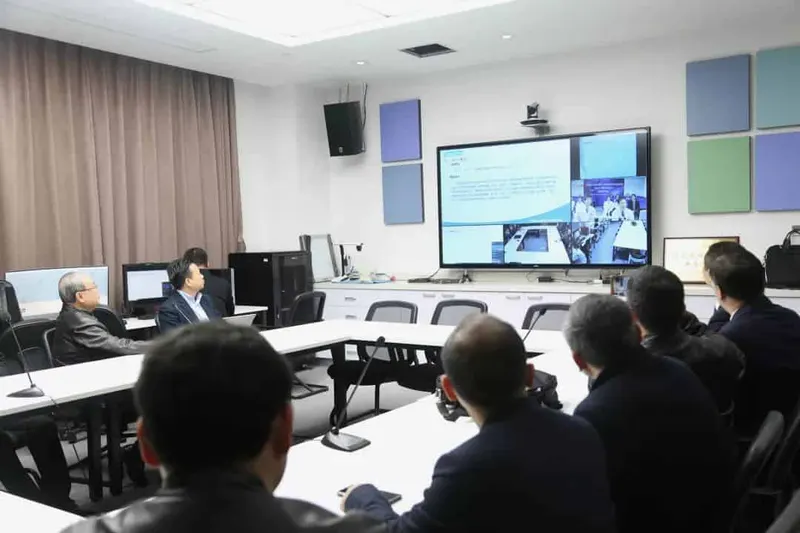
The workshop also included table-based discussion around a physical model, adding a practical discussion format to the presentations and remote consultation.
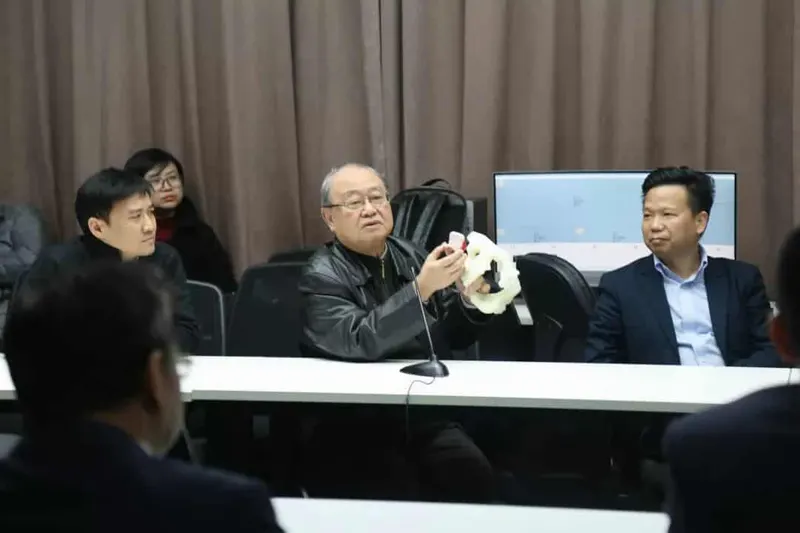
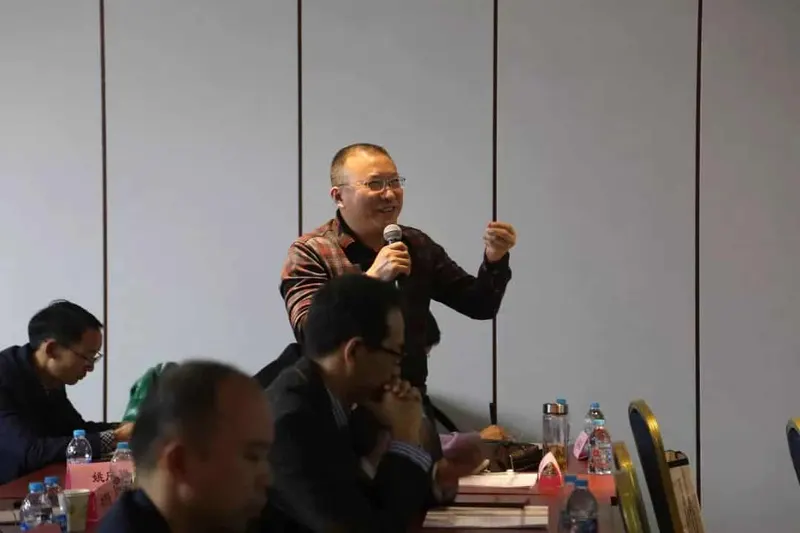
Participants raised questions about the course content and difficult problems encountered in their practical work. The lecturers responded with explanations and solutions.
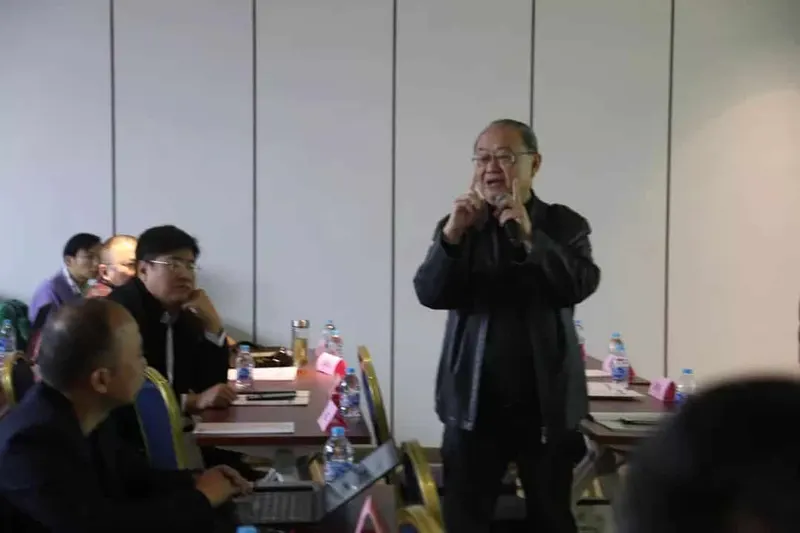
Further discussion continued as attendees listened, wrote, and followed the presentations around the meeting tables.
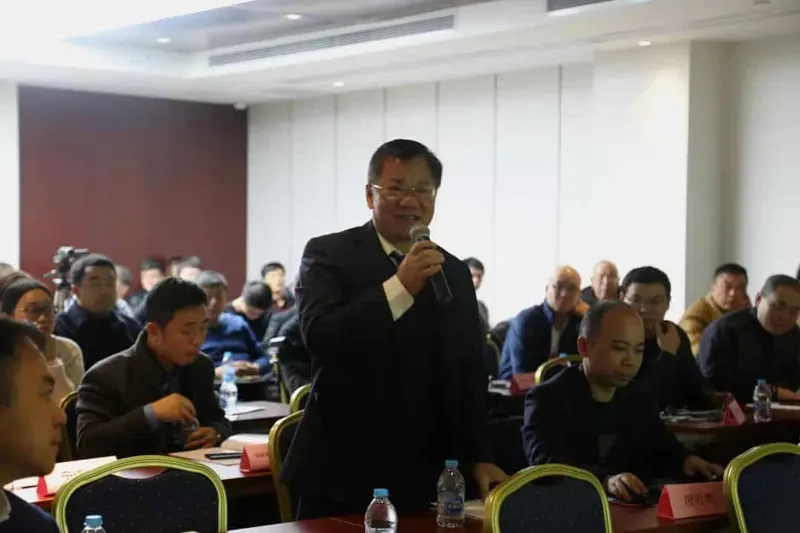
A smaller workshop session shows the continued exchange between a speaker and attendees.
Kangli Orthopaedics for orthopaedic implant OEM and ODM
Kangli Orthopaedics is a manufacturer of orthopaedic implants and surgical instruments offering OEM, ODM and OBM services. Founded in 2002, the company has around 200 employees and serves distributors, hospital suppliers, and brands seeking a manufacturing partner.
Its product families include:
- Spine fixation: anterior and posterior cervical systems, anterior and posterior thoracolumbar systems, and intervertebral fusion cages
- Trauma: locking plates, intramedullary nails, cannulated screws, bone plates, and titanium cables
- Craniomaxillofacial fixation: CMF fixation systems and customised digital 3D titanium nets
- Foot and ankle: calcaneus, tibia, micro locking, and variable-angle locking plates, pins, and screws
- Thoracic systems: sternum and rib systems
- General products: screws and accessories
Kangli Orthopaedics’ R&D activities include collaboration with universities, 3D printing, personalised implants, 3D-printed bone models from patient imaging, and customised titanium nets created from CT / MRI / DSA data. Its manufacturing capabilities include CNC machining with DMG 5-axis centres, Citizen Cincom Swiss-type automatic lathes, a DMG CTX beta 1250 TC turn-mill centre, and Haas machining centres, together with an on-site vacuum heat-treatment furnace for stress relief and annealing.
Kangli Orthopaedics holds ISO 13485, FDA, CE, and GMP quality systems.
For distributors, hospital suppliers, and brands seeking an orthopaedic implant or surgical instrument OEM, ODM, or OBM partner, submit a request for quote to Kangli Orthopaedics. The discussion can cover standard product families, surgical instruments, or customised 3D-printed titanium nets.