

Winning the First Prize of 2018 Shanghai Science and Technology Progress Award

Personalized pelvic implants are central to a project that won the First Prize of the 2018 Shanghai Science and Technology Progress Award. This article covers the May 15 award ceremony, the project partners, and the medical-engineering and 3D-printing work behind the recognition.
Published May 21, 2019
What did the 2018 Shanghai award recognise?
The award recognised the project titled “Key Technological Innovation and Promotional Application of Precise Resection and Personalized Functional Reconstruction of Pelvic Tumors Based on the Integration of Medical Engineering and 3D Printing Technology.” The project was carried out by THYTEC SHANGHAI CO.,LTD and the Department of Orthopedics of Shanghai Ninth People’s Hospital.
The 2018 Shanghai Science and Technology Awards Ceremony was held on the morning of May 15 at the Friendship Hall of the Shanghai Exhibition Center. The event honoured scientific and technological workers whose work contributed to innovation and economic and social development in Shanghai.

The project received the First Prize of the 2018 Shanghai Science and Technology Progress Award. The award recognised work combining medical engineering with 3D printing technology for personalised pelvic reconstruction prostheses.

Academic collaboration behind the pelvic implant project
THYTEC SHANGHAI CO.,LTD is described as a medical device company in China focused on the research and development, production, and sales of customized artificial bone joints. The company had worked in the artificial bone joint field for nearly two decades and had accumulated project experience and technological achievements.
Shanghai Ninth People’s Hospital maintained a close cooperative relationship with the company. Academic experts, including Academician Dai Kerong and Professor Hao Yongqiang, were invited to provide lectures and guidance.

The project’s research and development team included Academician Dai Kerong and professors from domestic and international institutions. Its work covered the design, production, and application of customized bone joints, along with the transformation and industrialization of personalized pelvic prostheses.
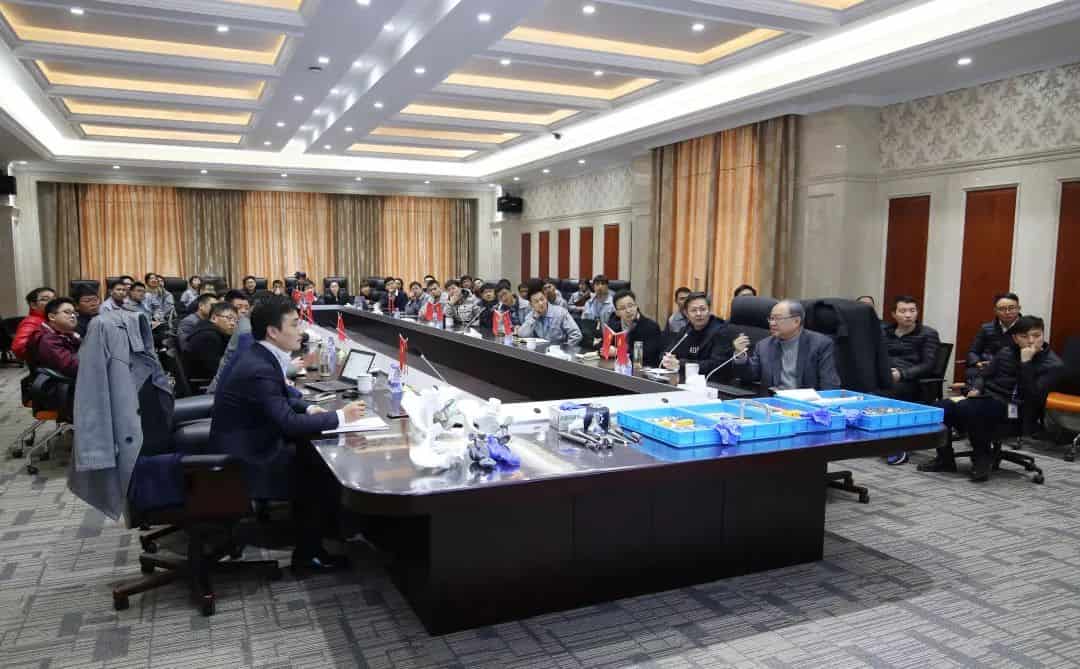
3D printing and personalized pelvic implant development
The project integrated medical engineering and 3D printing technology into a “three-in-one” model for precise resection and personalized functional reconstruction of pelvic tumors. The team also independently developed medical imaging software and metal 3D-printed personalized pelvic reconstruction prostheses.
The related research and development projects addressed multiple key technological bottlenecks and obtained over twenty national-level patent certificates.
Kangli Orthopaedics’ broader R&D scope includes 3D printing, personalized implants, 3D-printed bone models from patient imaging, and customized titanium nets based on CT / MRI / DSA data. The company manufactures orthopaedic implants and surgical instruments and provides OEM, ODM, and OBM services.
Its manufacturing capabilities include CNC machining with DMG 5-axis centres, Citizen Cincom Swiss-type automatic lathes, a DMG CTX beta 1250 TC turn-mill centre, Haas machining centres, and an on-site vacuum heat-treatment furnace for stress relief and annealing.
Request a quote for an OEM orthopaedic project
Distributors, hospital suppliers, and brands looking for an OEM, ODM, or OBM partner can request a quote from Suzhou Kangli Orthopaedics Instrument Co., Ltd. to discuss orthopaedic implants, surgical instruments, or customized 3D-printed implant projects.