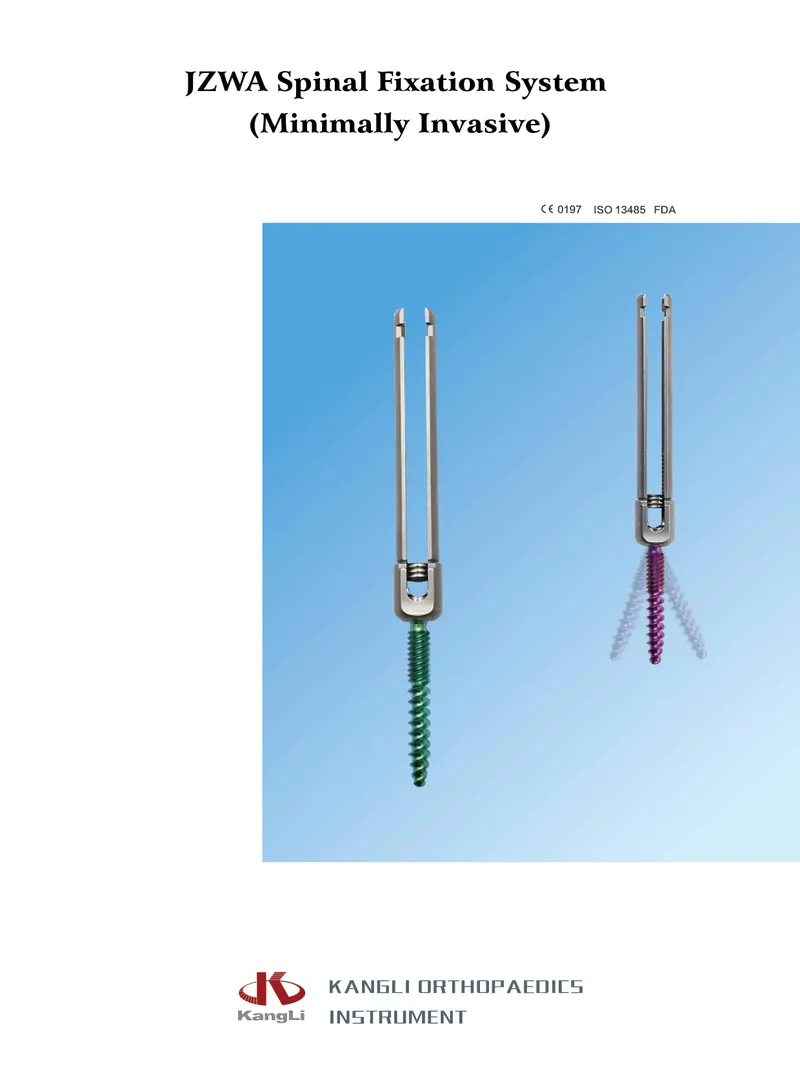

Minimally Invasive Spinal (Polyaxial) Pedicle Screw
- Spinal Implants & Fixation
- Pedicle Screws
- Polyaxial
- Rotating
- Minimally Invasive
Specification
- Material
- Titanium Alloy
- Length
- 35 - 50
- Diameter
- 5.5 - 7.5
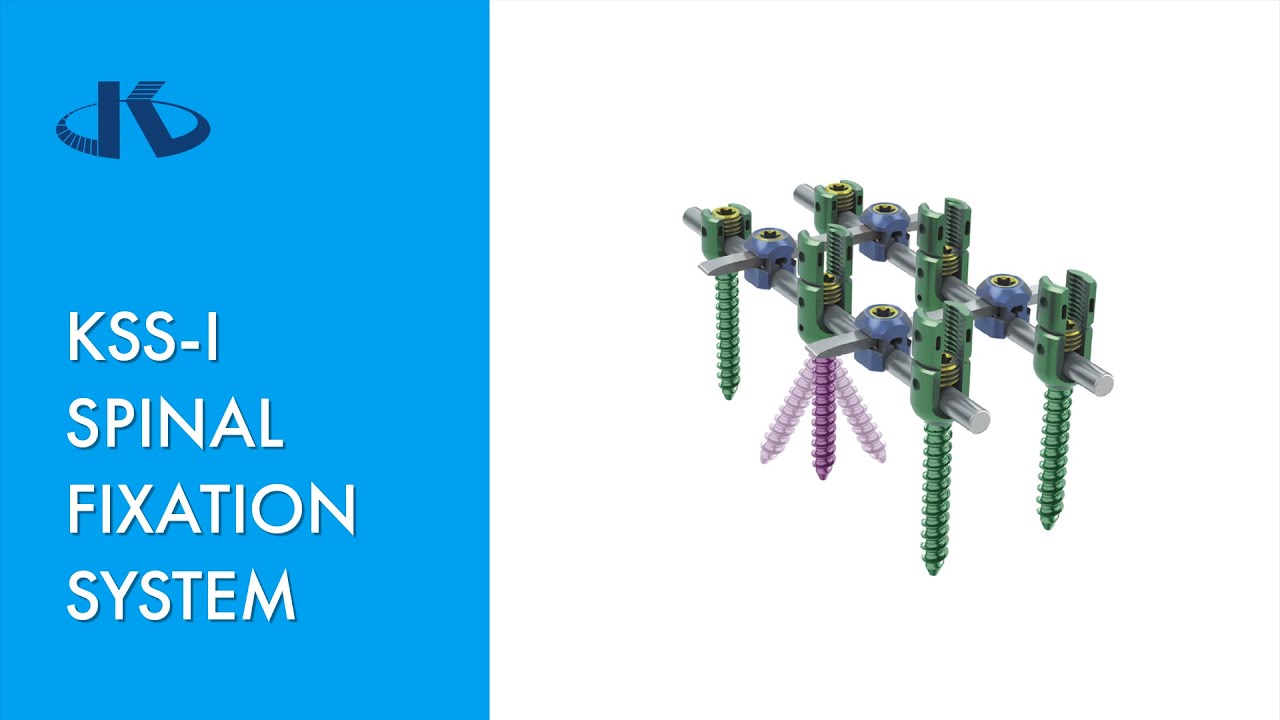
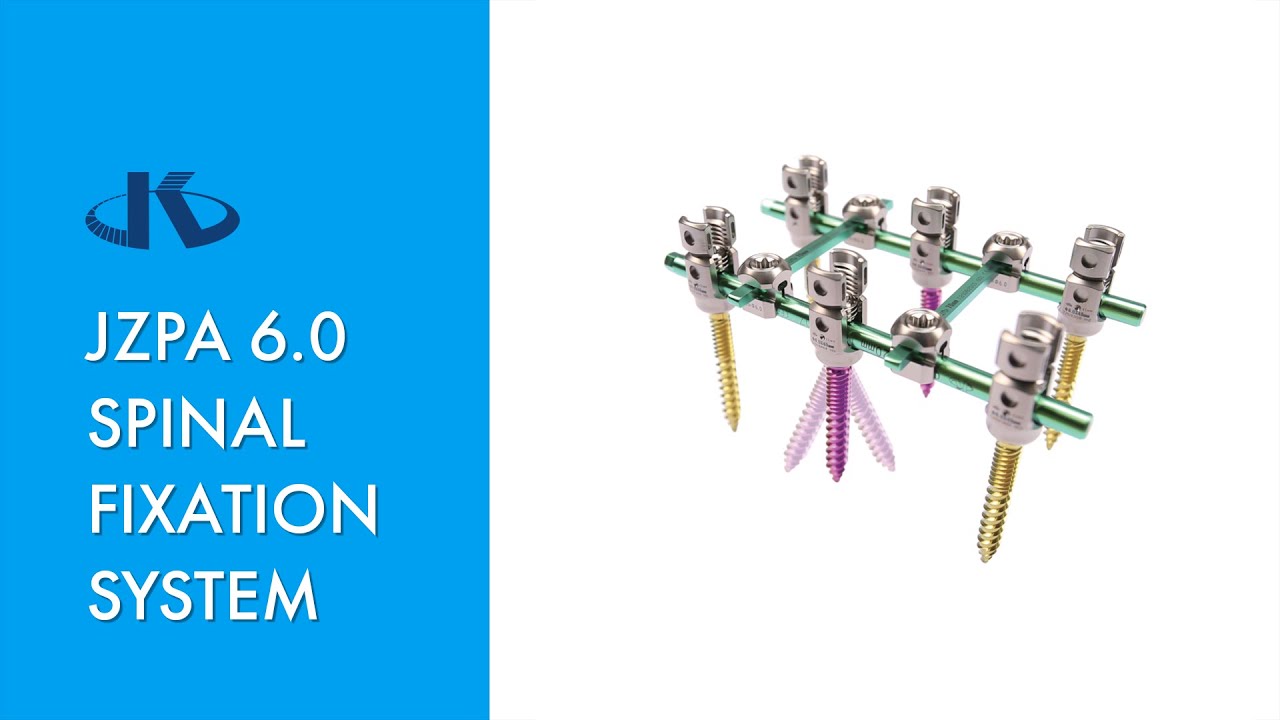
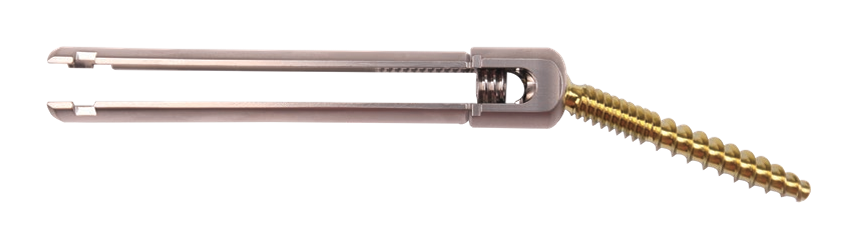
Kangli Orthopaedics manufactures this minimally invasive spinal polyaxial pedicle screw for use in posterior spinal fixation and fusion constructs. It combines a U-shaped head with multiaxial or rotating movement, a multi-start threaded shaft for pedicle engagement, and a compact configuration suited to a focused surgical approach. The screw is supplied across five diameters and four lengths, in titanium alloy.
Multiaxial Head for Fixation Alignment
The open U-shaped head provides a central connection gap for fixation components, while the multiaxial design allows the head to angle in relation to the threaded shaft. The head and the shaft can therefore be aimed separately: the shaft follows the pedicle path, and the head is left presenting its gap where the rod has to sit.
Rotating Head for Rod Capture
The rotating version adds a second degree of freedom — the screw body turns about the screw's own longitudinal axis, so the U-opening can be brought onto the rod line without moving the shaft that is already seated in bone. Where a fixed-head opening would have to be met by the rod, here the opening is turned to meet the rod instead.
Minimally Invasive Head and Shaft Profile
The minimally invasive design uses a narrow, open head-and-shaft assembly instead of a broad closed housing. This configuration gives a direct instrument engagement path down the screw axis and keeps working space around the head during placement and construct assembly.
Double and Quadruple Thread Forms for Pedicle Engagement
The shaft carries a double-thread or quadruple-thread form running the working length of the screw. Multiple thread starts advance the screw further for each turn of the driver, so insertion proceeds at a steady, even rate through the prepared path rather than in a sequence of separate bites. The same geometry puts more thread flank in contact with the pedicle cortex at any point of the run, which is where the screw takes its purchase and what the multi-start form is there to increase.
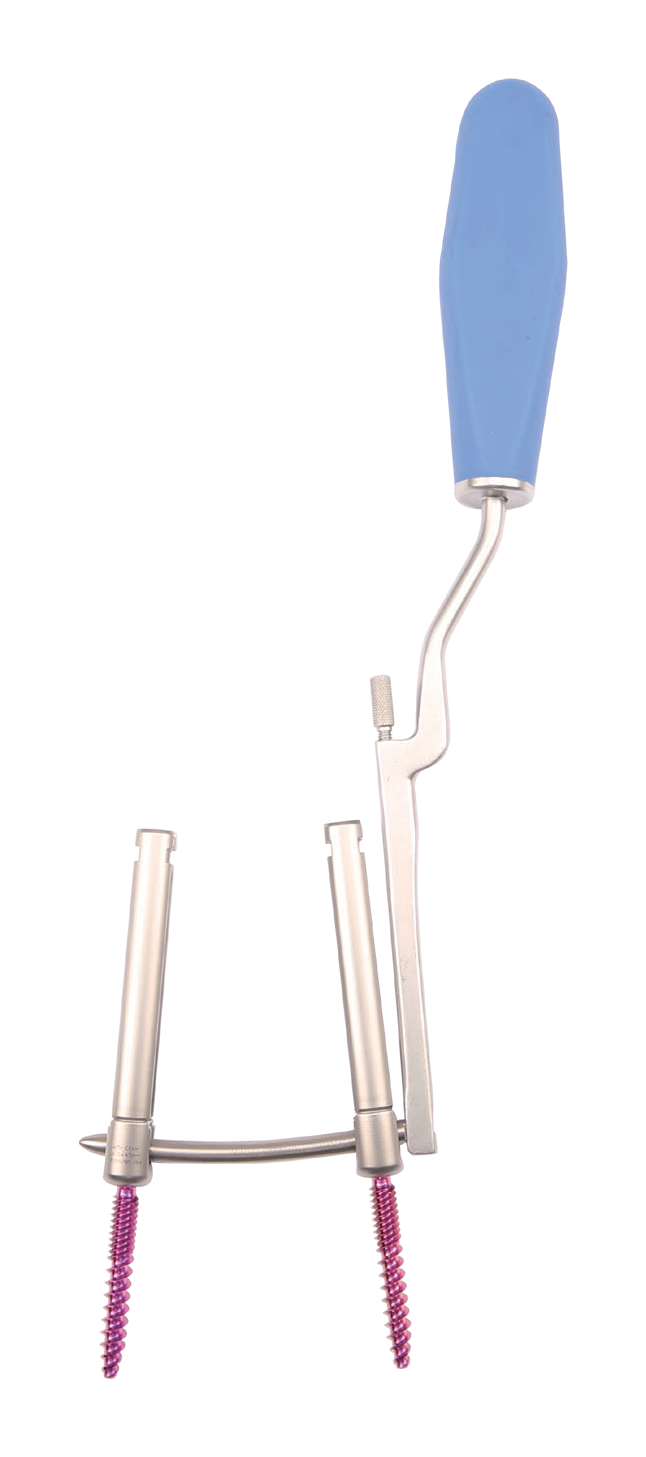
Pre-Bent Rods for Posterior Constructs
Rods for these constructs are supplied pre-bent to the normal physiological curvature of the spine. The contour is already in the rod when it reaches the field, which takes the bending step out of the assembly sequence and means the rod arrives at each screw head along the curve the construct is being built to.
Titanium Alloy Implant Construction
Titanium alloy forms the threaded shaft and the U-shaped receiving head as an integrated implant component. The material supports the defined multi-start thread profile and the machined head openings required for insertion, angular adjustment, and fixation assembly.
Posterior Spinal Fixation Applications
- Posterior spinal fixation with pedicle-based screw placement
- Multiaxial screw positioning within a spinal fixation construct
- Rotating-head screw assembly for posterior fixation
- Pedicle screw use in spinal fusion procedures
This device can be used alongside the Low-profile Spinal (Polyaxial) Pedicle Screw when a different head profile is required, and alongside the Cement-Augmented Spinal (Polyaxial) Pedicle Screw where the construct calls for that fixation option.