

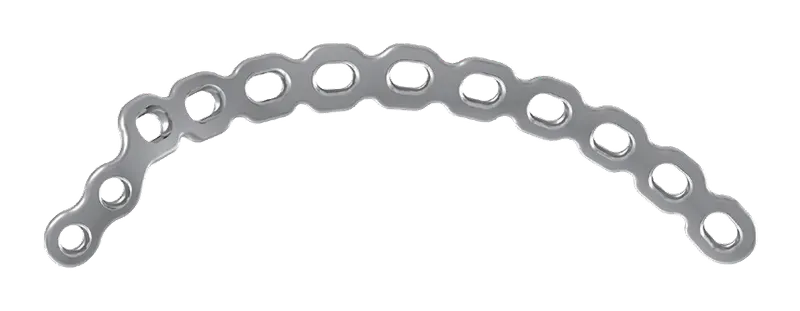
Orthopaedic Trauma Plates
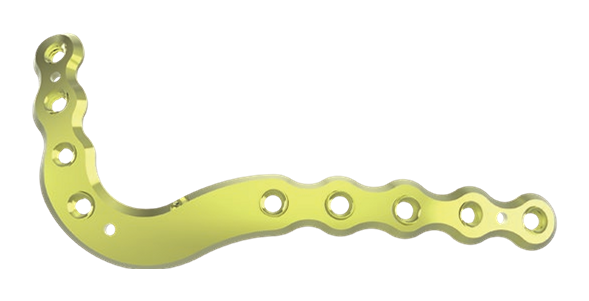
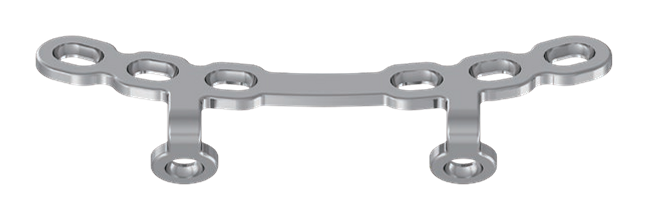
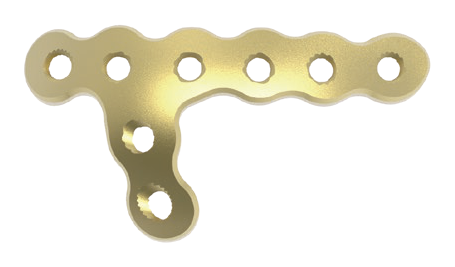

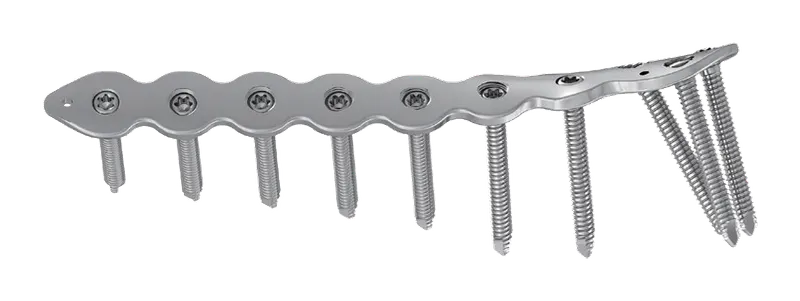
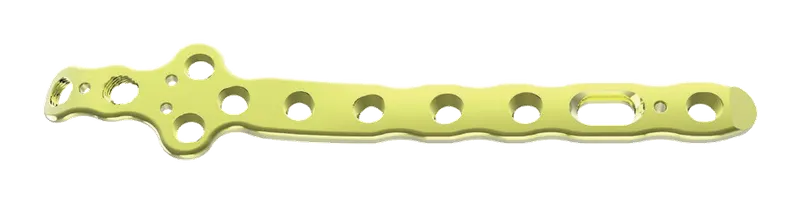
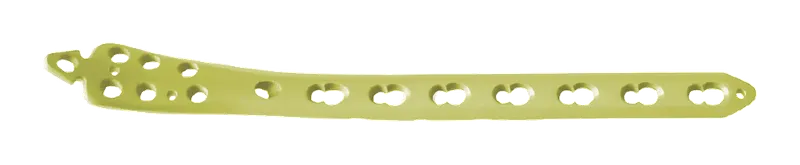
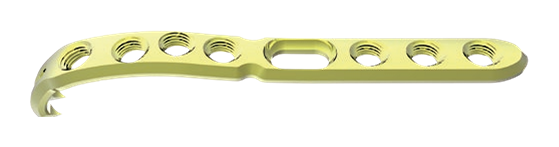






Overview
Range overview
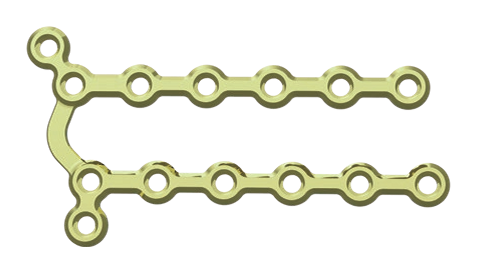
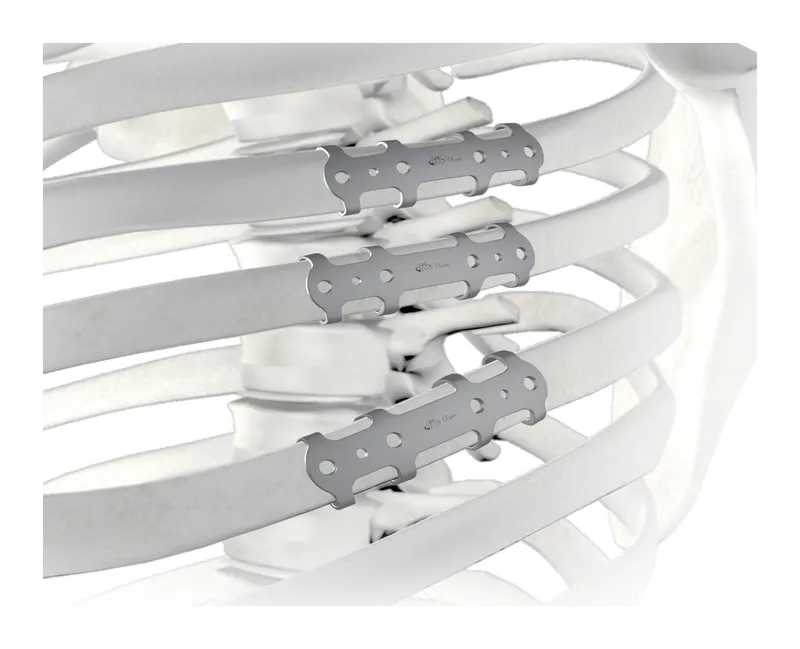
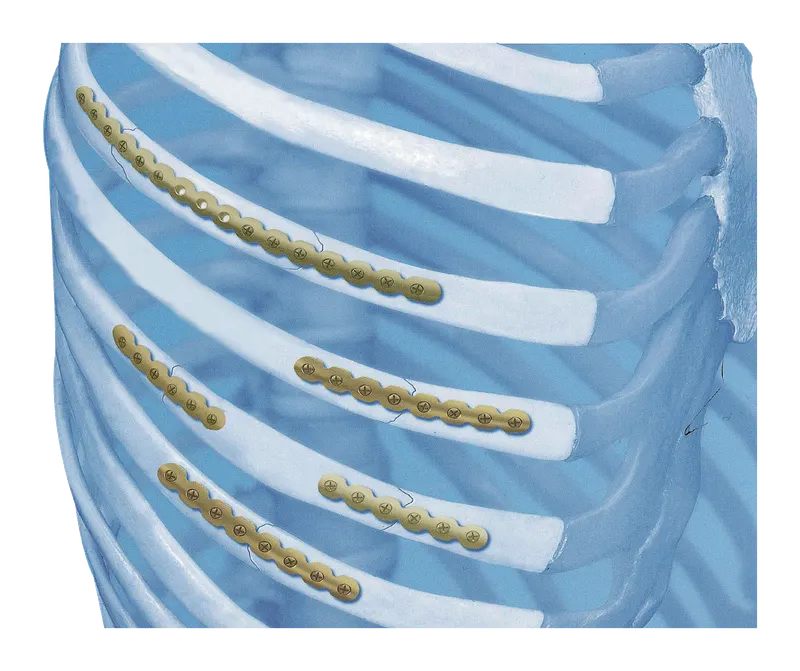
Kangli Orthopaedics has machined orthopaedic trauma plates at its Suzhou campus since 2002, and this section gathers the whole plating catalogue in one place. Twelve sub-catalogues divide it by anatomy: universal straight plates with cable and wire fixation, then clavicle, scapula, humerus, forearm, hand and finger, rib, pelvis, femur and hip, patella, tibia and fibula. Almost every plate in them is machined from pure titanium; titanium alloy appears in the wires, cables and pins catalogued beside them.
How the range divides by anatomy
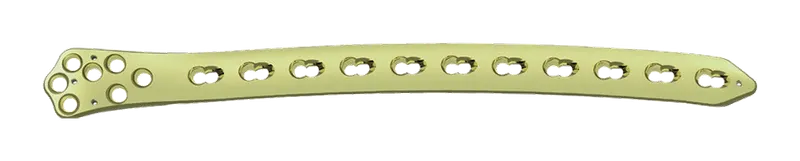
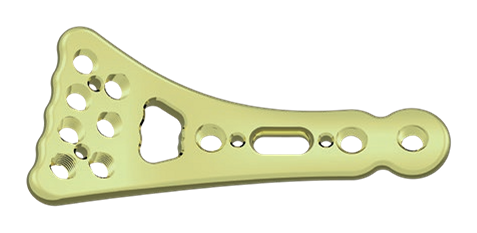
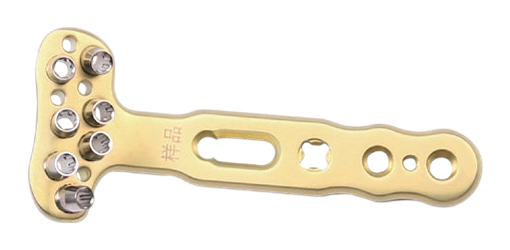
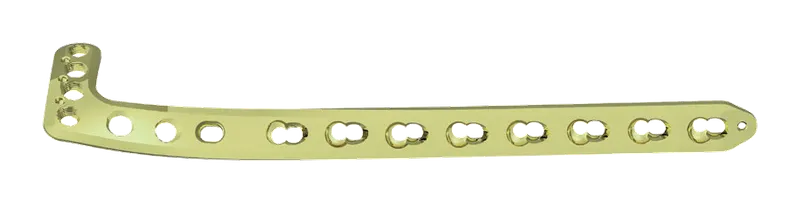
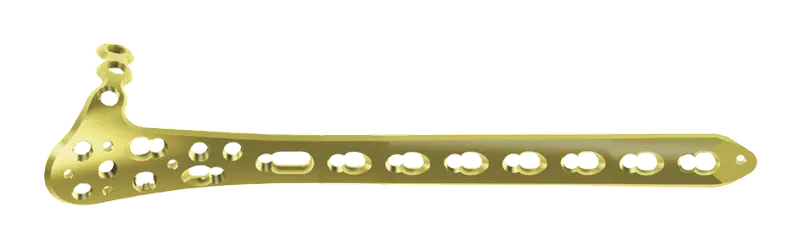
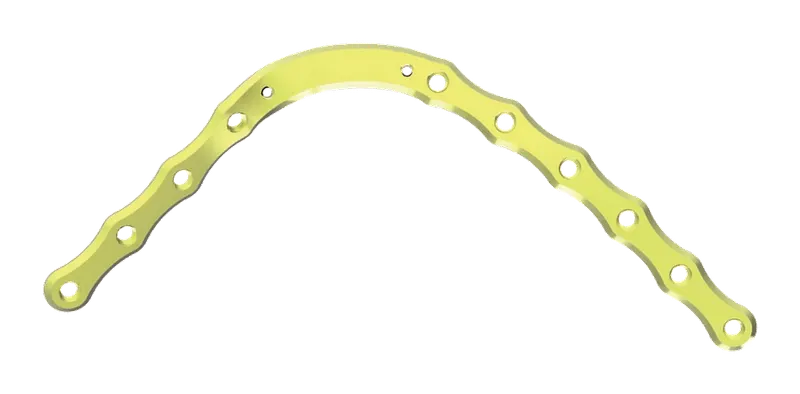
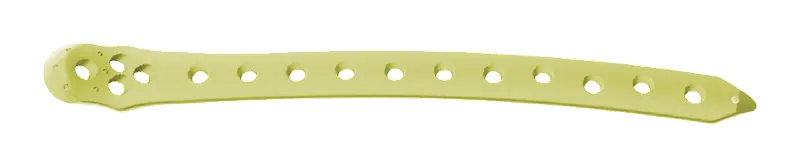
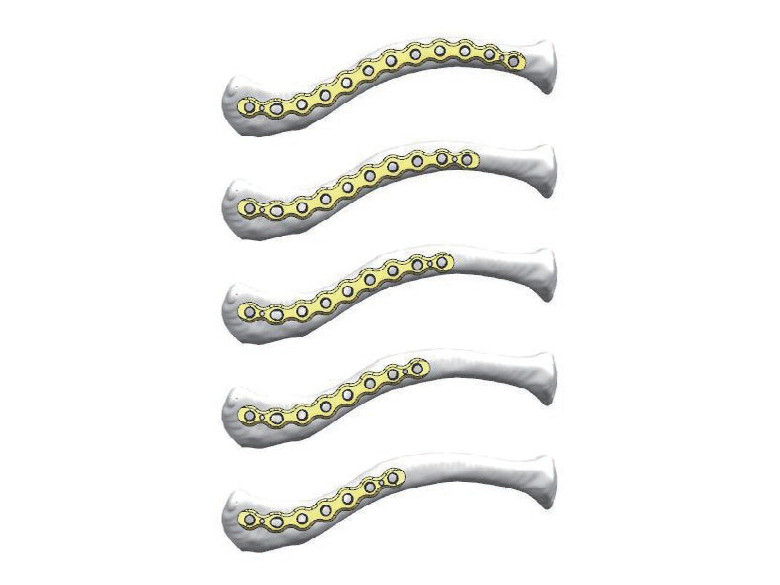
Each sub-catalogue holds the geometries that suit one region. Plates for the clavicle, scapula, distal humerus, distal femur and fibula arrive in matched left and right forms, because the contour they follow is sided. Shaft plates for the humerus, forearm, femur and tibia are symmetrical and are chosen by length and hole count instead.
Locking compression plates and the hardware around them
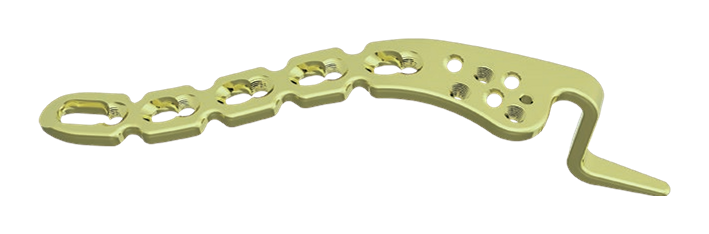
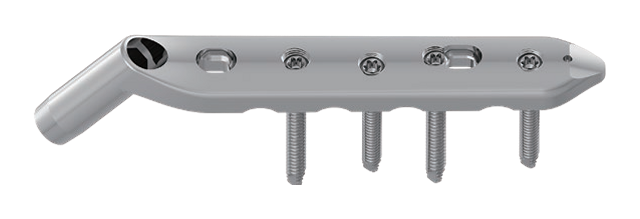
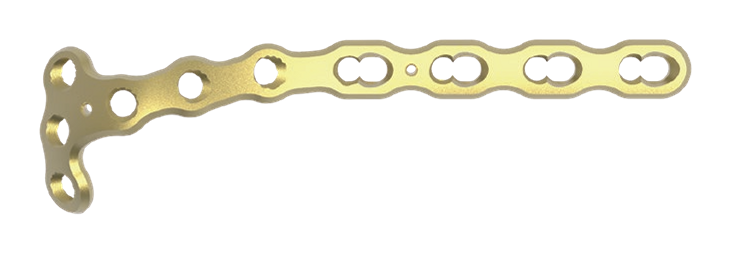
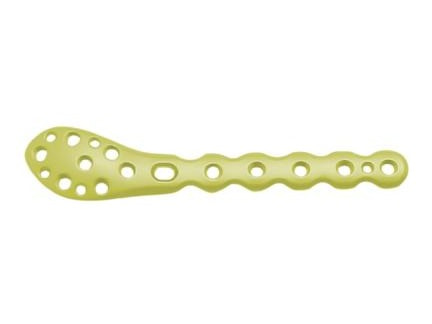
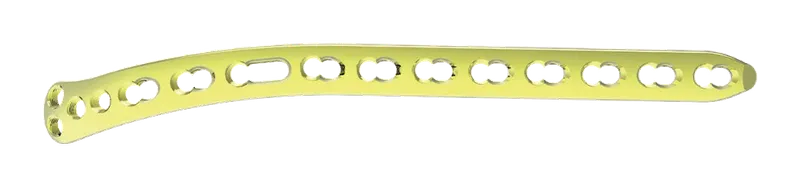
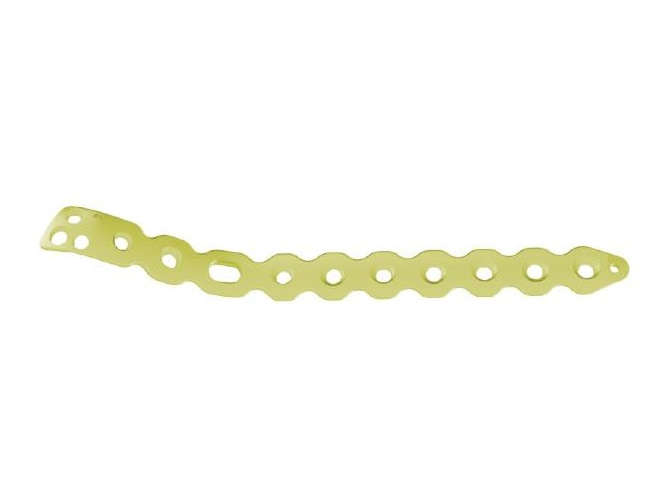
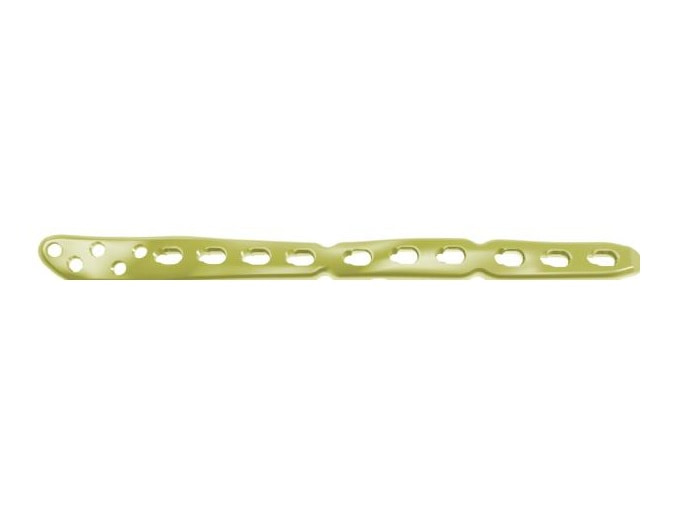
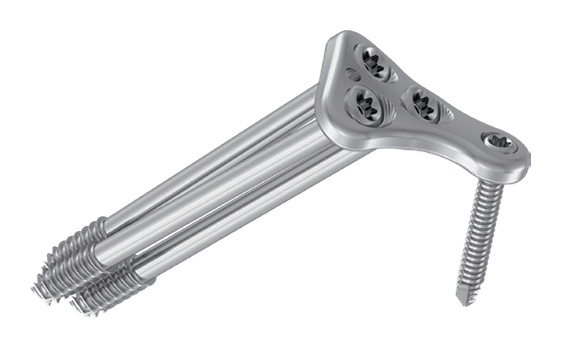
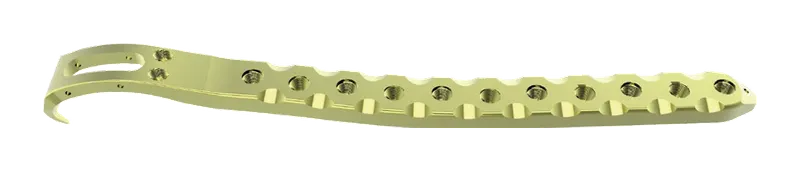
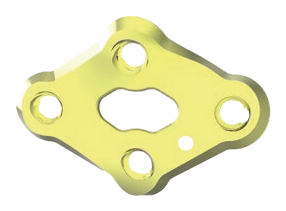
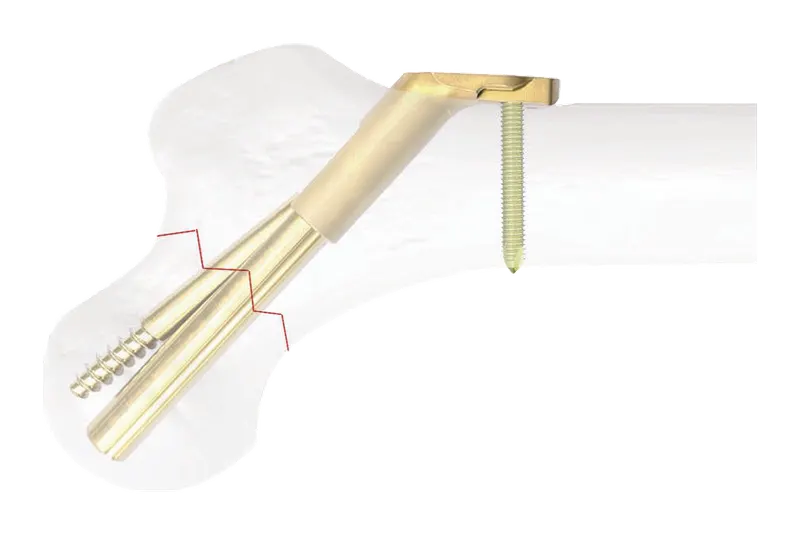
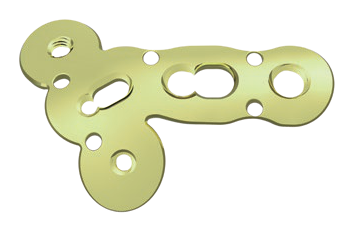
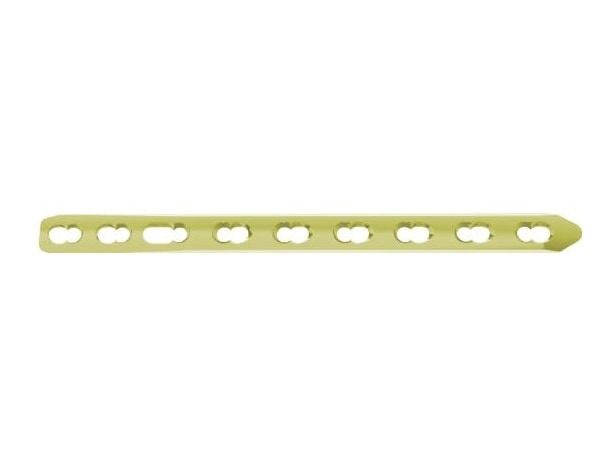
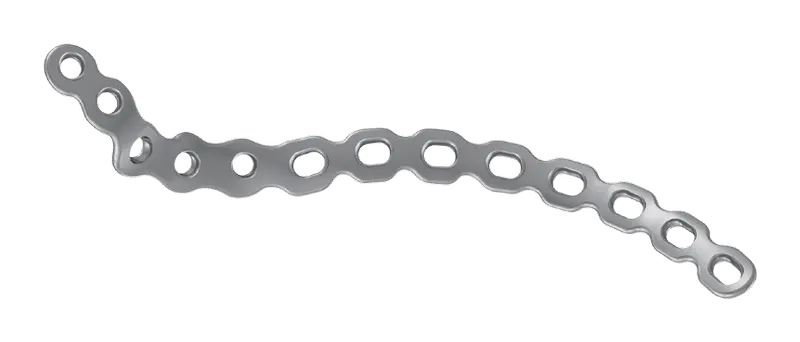
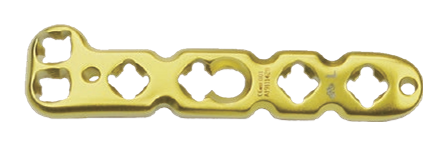
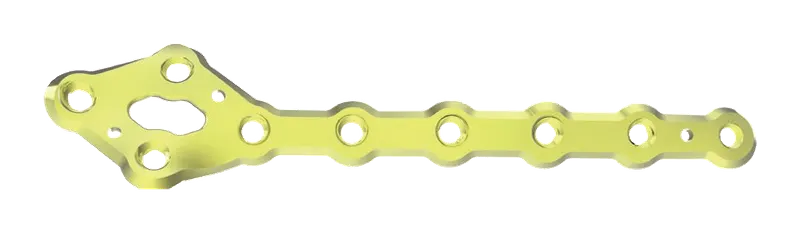
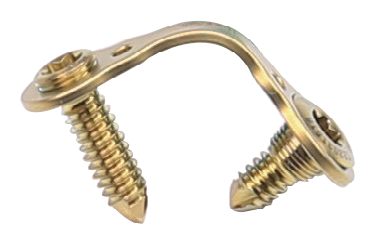
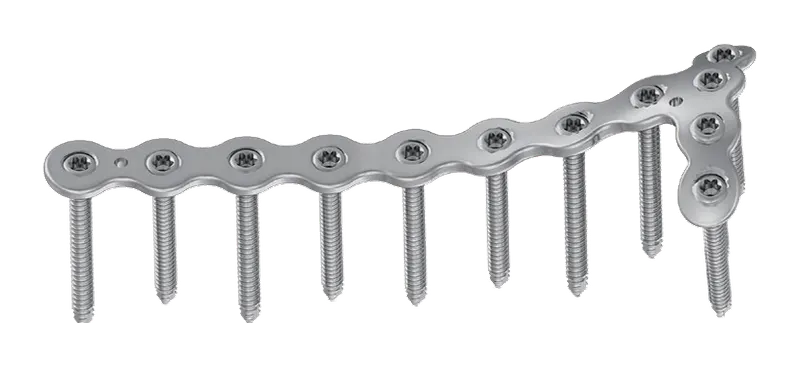
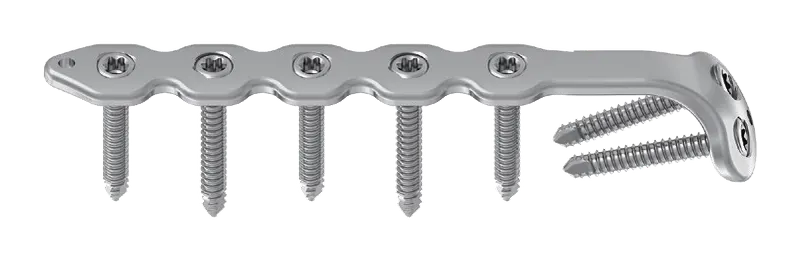
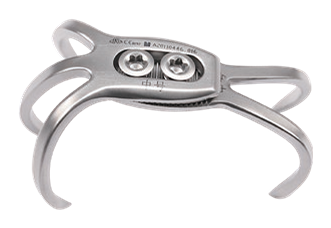
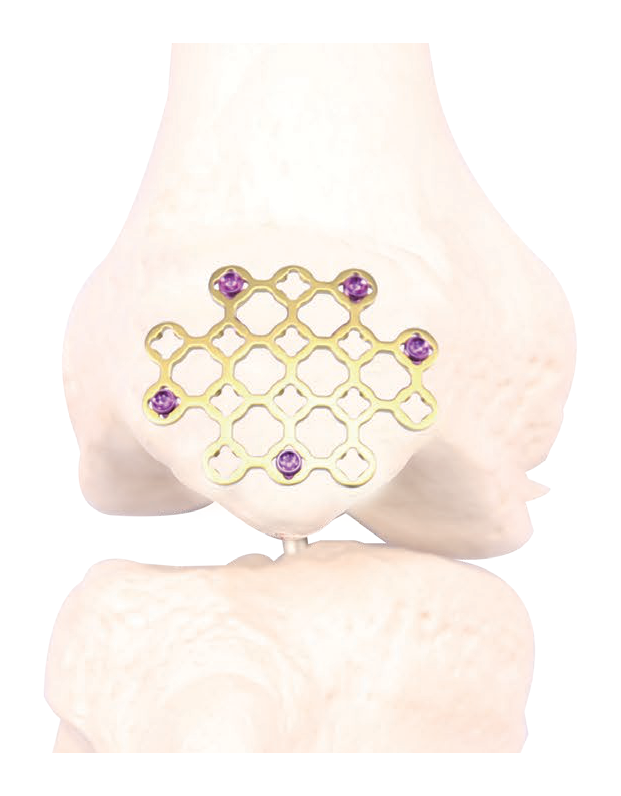
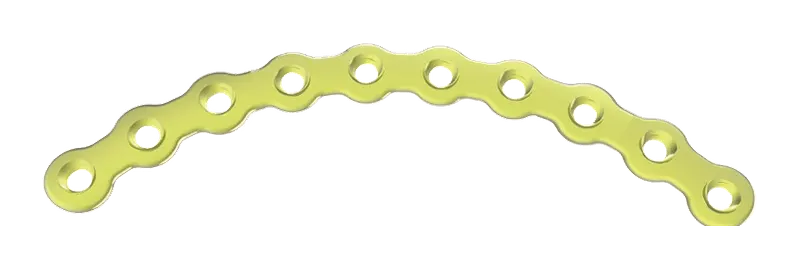
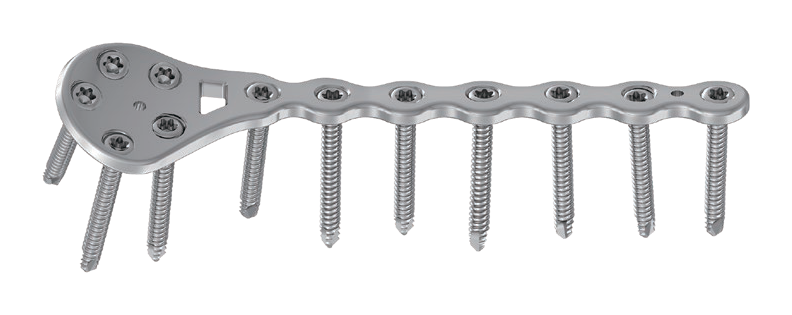
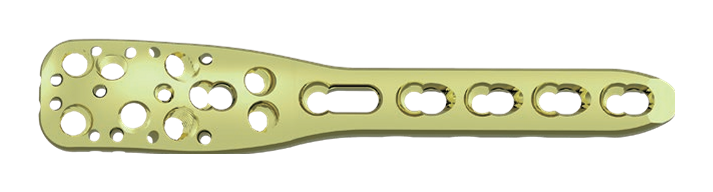
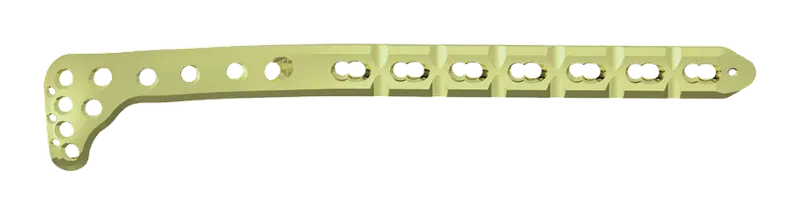
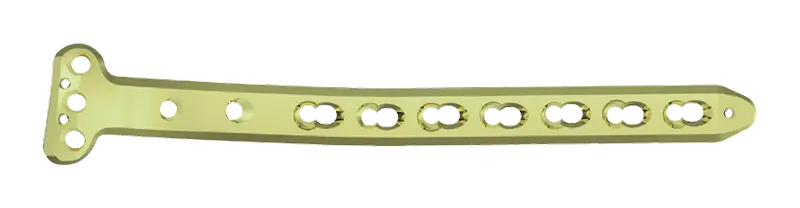
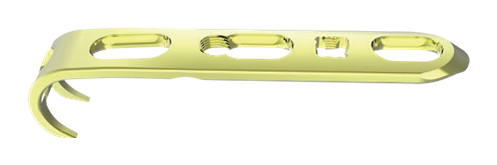
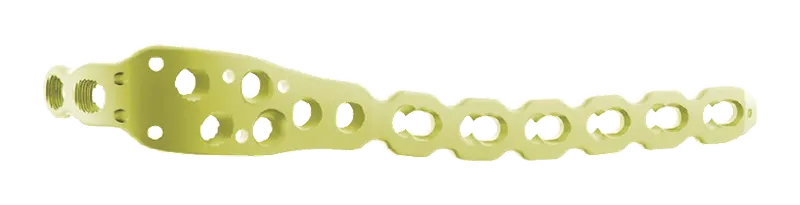
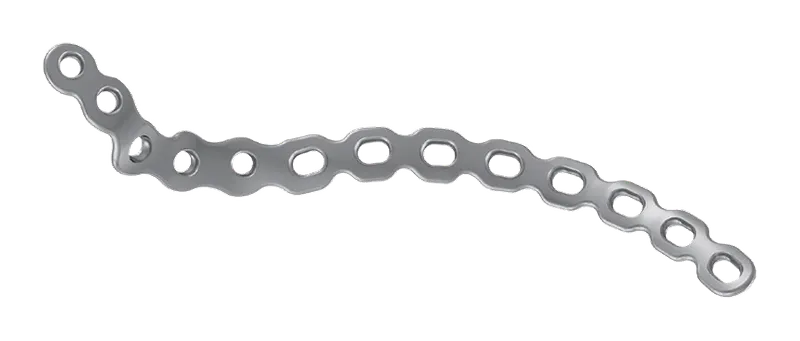
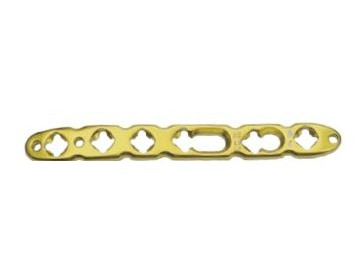
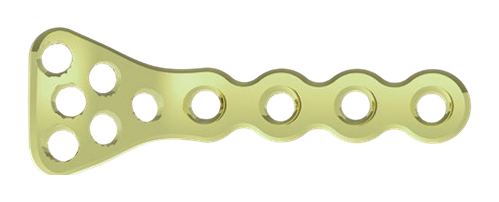
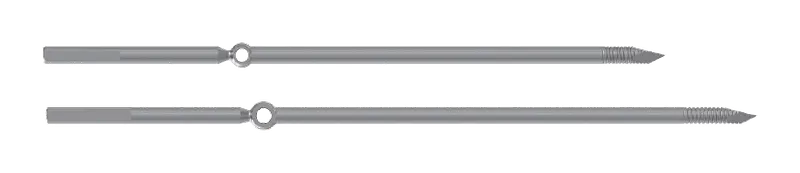
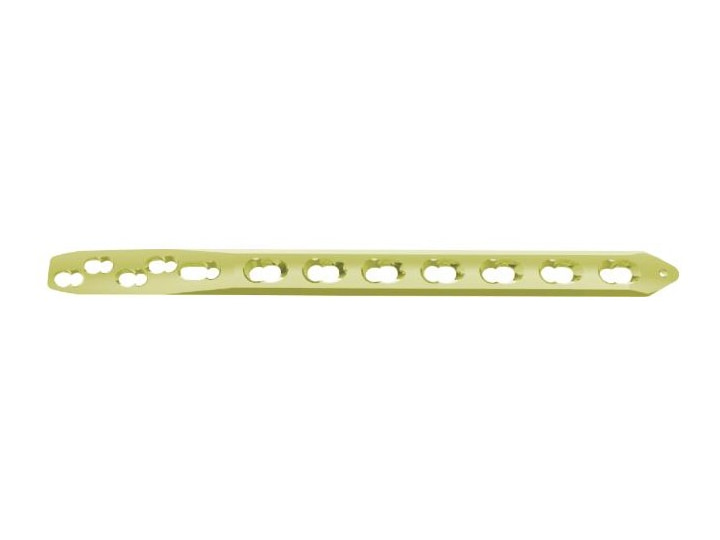
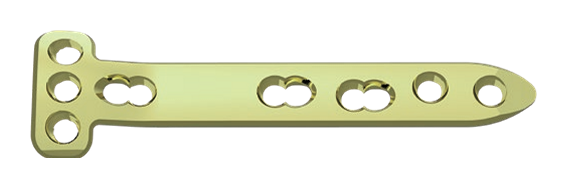
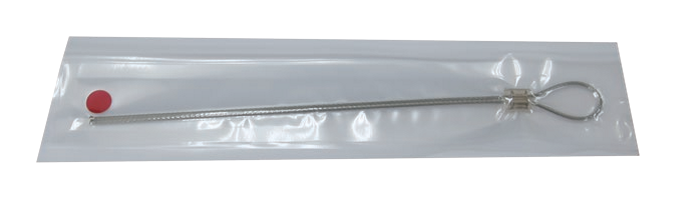
Most designs combine threaded locking holes with elongated slots: the slot lets the plate be shifted along the bone before a screw is tightened, while a locking hole fixes each screw at its angle in the plate. Hook and claw variants reach around a bone margin rather than seating flat on it, and the cable, wire and pin components are catalogued beside the plates they attach to, so a construct can be specified as one set of trauma fixation implants.
Working with a trauma plate manufacturer
Kangli manufactures rather than trades: around 200 staff on a 50-acre campus, DMG five-axis centres and Citizen Cincom Swiss-type lathes for the plate and screw work, and an on-site vacuum furnace for stress relief and annealing. OEM, ODM and OBM programmes cover orthopedic bone plates and screws built to a partner's own drawings. Devices reach more than 40 countries, with direct sales into 35. To receive the size tables, request a quote.
FAQ
Frequently asked questions
Which bones does the trauma plating range cover?
Twelve sub-catalogues sit under this section. One holds universal straight plates with wire and cable fixation; the other eleven are grouped by anatomy — clavicle, scapula, humerus, forearm, hand and finger, rib, pelvis, femur and hip, patella, tibia and fibula. Each holds the plate geometries that suit that region, from compact three-hole designs to shaft plates running past 300 mm.
What material are the plates made from?
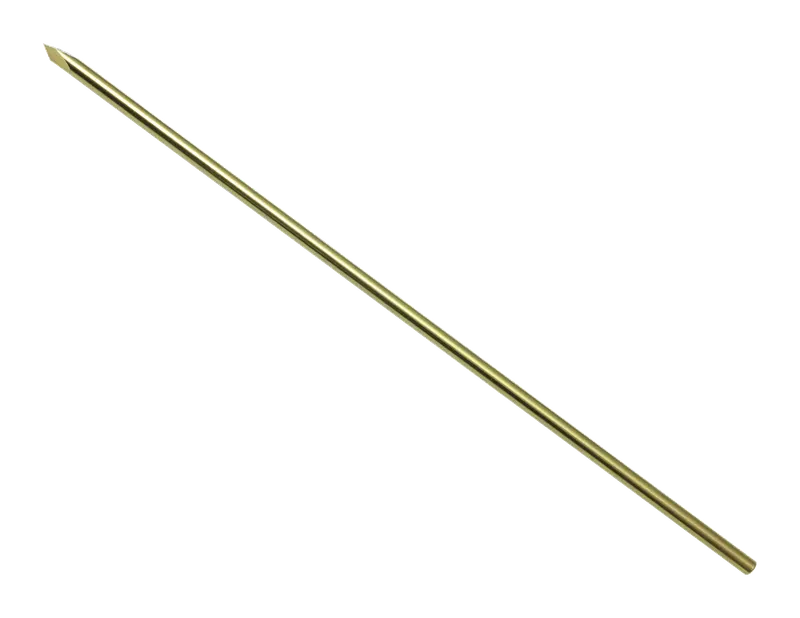
Almost every plate across the twelve sub-catalogues is machined from pure titanium. Titanium alloy is catalogued for wire, cable and pin components rather than for the plates themselves, so the Kirschner wires, the stranded cerclage cables and the pins listed in the patella range are alloy. Individual product pages name the material for each variant.
Are the plates supplied in left and right versions?
Where the anatomy is sided, yes. Plates for the clavicle, scapula, distal humerus, distal femur, proximal tibia and distal fibula are catalogued as matched left and right forms, and an order names the side alongside the hole count. Symmetrical shaft plates for the humerus, forearm, femur and tibia carry a single form and are selected by length and hole count.
Can Kangli manufacture to a distributor's own design?
Yes. The company runs OEM, ODM and OBM programmes from its own machine shop — DMG five-axis centres, Citizen Cincom Swiss-type lathes and a DMG turn-mill centre, with an on-site vacuum furnace for stress relief and annealing. Its R&D group also works on 3D printing, personalised implants and customised titanium mesh built from CT, MRI or DSA data.
How do I obtain the full size tables?
Use the Request a Quote form and name the sub-catalogues you are interested in — for example proximal tibia and distal femur — along with the hole counts and lengths you expect to stock. The reply carries the catalogued variants for those ranges. Kangli has manufactured orthopaedic implants since 2002 and ships directly into 35 countries.